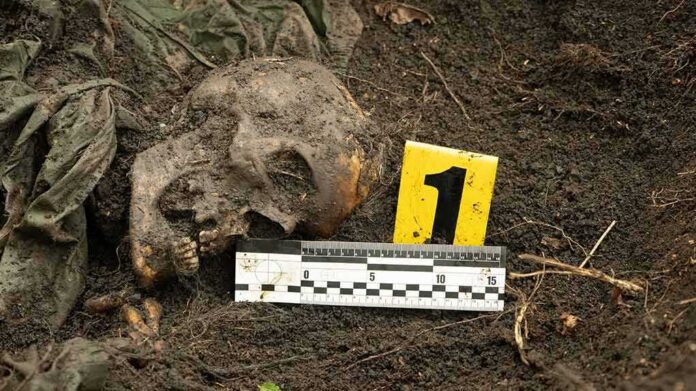
A 9,000-year-old burial in a cave on Gotland is drawing attention because archaeologists say it includes a fetus preserved in the womb.
Quick Take
- The find was reported from the Suder Vagnhus cave on Lilla Karlsö, off Gotland’s west coast.
- News reports say the remains are believed to be about 9,000 years old.
- Archaeologists say the fetus was unusually well preserved.
- Excavations are still continuing, so the age and details remain preliminary.
What the find is and where it was found
Swedish Radio and other outlets report that archaeologists found the remains of a young pregnant woman buried in the Suder Vagnhus cave on Lilla Karlsö. The same reports say the woman is believed to have lived about 9,000 years ago. The site is off Gotland’s west coast, and the find has been described as unusual even by the team working there.
Coverage says the woman was found with a fetus in the womb, and that the fetal remains were exceptionally well preserved. Archaeologist and project leader Alexander Roesen Sjöstrand is quoted saying the find may be one of the oldest preserved fetuses known. That is a strong claim, but the public reports still describe it as an archaeological estimate rather than a final lab result.
Why archaeologists think the case matters
The main reason this discovery stands out is the preservation. Cave conditions can slow decay, and the reports say the environment helped keep the remains intact for thousands of years. That matters because fetal remains are often fragile and hard to identify. Here, archaeologists say they recognized the fetus during the excavation itself, which makes the story rare in the field.
The find may also say something about early life on the island. One report says the burial suggests people were present on Lilla Karlsö soon after it emerged from the Baltic Sea after the last ice age. That would place the woman’s life in a period when coastal settlement patterns were still taking shape. For historians, that is as important as the burial itself.
What is still missing from the public record
Even with all the attention, the public evidence is still incomplete. The reports do not include a published radiocarbon date, a technical osteology paper, or a formal excavation report with methods and measurements. They also do not show imaging data or laboratory files that would let outside specialists test the fetal identification or the age estimate in detail.
That gap matters because archaeology often moves from field discovery to public headline before the science is fully published. In this case, the core claim looks credible, but several details are still provisional, including the exact age, the fetus’s development stage, and the broader burial context. Until the team releases more documentation, the story remains a striking find rather than a finished scientific case.
Sources:
insiderpaper.com, sverigesradio.se, frihetsnytt.se, en.haberler.com, svt.se, spreaker.com, ecoticias.com
© bingeworthynews.com 2026. All rights reserved.