Four U.S. officials say Washington supplied intelligence and drones for a deadly strike in Venezuela’s borderlands, raising fresh questions about power used in the shadows and who is kept in the dark.
Story Snapshot
- U.S. intelligence and drones reportedly supported a Venezuelan strike on an ELN site.
- A rights group reported 20–23 dead; numbers and date vary across accounts.
- The target sat in Apure, a known corridor for ELN trafficking and logistics.
- Neither government has issued an official public account of roles or casualties.
What Happened And Why It Matters
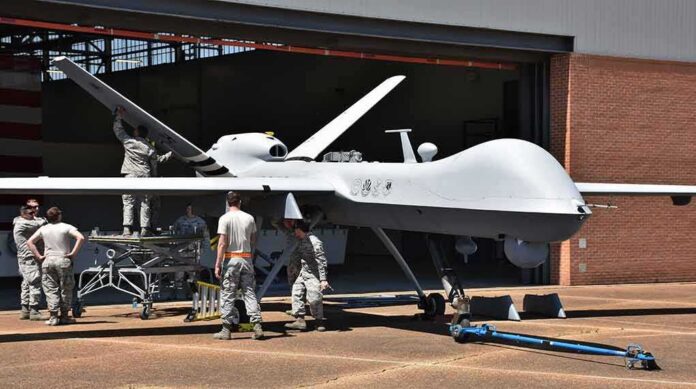
Four U.S. officials told The New York Times that the United States helped a Venezuelan operation with intelligence and drones. Reports place the strike in Apure state near the Colombia border. The site was described as an installation used by the National Liberation Army, a Colombian armed group. A Venezuelan group called Fundaredes said the attack killed at least 20 people, with some reports citing 23 deaths. Washington’s role, if confirmed, marks direct cooperation with Caracas on a lethal mission.
Apure’s border terrain matters. Analysts and past reporting describe this zone as a key route for the National Liberation Army’s movement, extortion, and drug trafficking. That makes it a likely place for logistics hubs and camps. Supporters of the strike argue it hit a node in that network. Critics ask who was at the site and whether civilian life was protected during the operation. Both points can be true in tense border regions like this one.
Conflicting Numbers And The Evidence We Have
Fundaredes shared early counts from survivors and local residents. Initial figures mentioned nine dead, then rose to 23, with others wounded who moved toward Colombia. Other outlets cited at least 19 dead. These differences are common after strikes in remote areas with limited access and fear of reprisals. They also show why solid, on‑the‑record reports from state authorities and medical facilities are vital for public trust and accountability.
The United States role, as reported, stops short of naming who piloted the drones, what type they were, or whether they fired weapons. The reports also do not identify which U.S. agency authorized support. That gap leaves room for doubt and spin. It also fuels the sense that powerful actors make choices behind closed doors, while citizens learn only fragments after the fact. Clear answers from both governments would reduce rumor and restore some faith in process.
What Authorities Confirmed — And What They Did Not
Neither Washington nor Caracas has issued a full public account that confirms the strike’s date, target assessment, and casualty list. The strongest claims rest on anonymous U.S. officials and a Venezuelan nongovernmental organization. That does not make the reports false. It does mean the public record lacks documents like orders, legal reviews, or post‑strike assessments. When the state uses force, the people deserve timely facts, not just leaks and whispers.
The site’s purpose is also described without hard proof presented to the public. Fundaredes called it an National Liberation Army base tied to cocaine distribution, based on testimony. Independent images, seized drugs, or lab results have not been shared in the cited reports. In a region where the National Liberation Army has run trafficking and other rackets for years, the claim fits the pattern. Still, verification matters, especially when many died and families want the truth.
What To Watch Next
Watch for on‑the‑record statements that confirm the United States role, the chain of command, and any rules used to protect civilians. Look for a casualty list with names and status. Check whether Venezuela opens access for independent review or whether silence continues. Also track cross‑border fallout with Colombia. If this was a real hit on an National Liberation Army hub in Apure, expect short‑term disruption and the risk of reprisals and displacement in nearby communities.
Sources:
pjmedia.com, english.elpais.com, faz.net
© bingeworthynews.com 2026. All rights reserved.