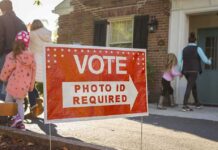
Unauthorized texts falsely told Fulton County voters their polling places had changed on Election Day, triggering an official warning and scramble to verify locations.
Story Highlights
- Fulton County confirmed fake texts about polling-place changes and urged voters to verify.
- Officials directed voters to the Georgia My Voter Page and a county phone line for help.
- The texts circulated on Election Day, when bad info can block timely voting.
- No sender, scale, or proven impact on voting has been identified yet.
Fulton County Confirms Fake Polling-Place Texts Hit On Election Day
Fulton County officials said voters reported text messages that claimed their polling places had changed. Officials stated the county did not send the messages and labeled them unauthorized. The warning came on November 3, while voters were heading to the polls. Fulton County told residents to confirm their site using the Georgia My Voter Page or by calling the elections office for help. Local outlets also reported the alert and the county’s guidance to verify locations.
County communications described the messages as fake and directed voters to trusted tools. Officials told voters to confirm their assigned location before traveling. They emphasized that people must vote at their assigned precinct under Georgia law. Reporters covering Election Day in Atlanta highlighted the county’s post and the help line for voters who received confusing texts. The message was clear: use official channels, not random texts, to find where to vote.
What We Know And What We Do Not Know About The Texts
News reports and the county’s posts did not identify who sent the messages. They also did not report how many voters received them or whether anyone failed to vote because of them. That lack of attribution does not change the core fact: the messages were fake and arrived when timing mattered most. Officials moved fast to provide a fix. The county gave one path to avoid confusion and reach the right polling place.
The incident shows a real weakness in the system that targets the “where to vote” step. Bad actors have used such tricks before, including fake date or location notices. Digital tools now let lies travel faster and to more people at once. Researchers and policy groups have described these patterns and why official backups, like hotlines and election pages, help blunt the harm. That is why fast, simple guidance matters when minutes count.
Impact On Voters And Election Integrity Procedures
Election Day pressure can turn a short delay into a lost vote. A wrong turn to the wrong site can lead to long lines or a trip across town. Fulton County’s response aimed to cut that risk by pointing to the state’s voter page and a live phone number. The advice fit Georgia rules that require voting at a voter’s assigned precinct. Clear, public steps help voters avoid pitfalls and keep lines moving at the right locations.
Large-scale fraud was not reported in connection with these texts. The county’s message focused on correcting bad information, not on ballots or counts. That focus aligns with a broader truth: misinformation about logistics is different from ballot fraud. One tries to confuse. The other changes totals. Both harm trust, but they require different tools to fix. Quick verification helps with the first. Chain-of-custody and audits address the second.
Michigan’s “Impossibly Old” Voter Claim Lacks Verifiable Support
Some online voices also cited an allegation that Michigan had 2,461 voters aged 110 or older. The available record here does not show a court filing, database extract, or official audit to back that figure. Without primary records, it is not possible to judge the claim. Data quirks can exist in any voter file, but that does not prove ballots were cast by those entries or that the registrations were active.
Responsible review would compare the named records to voter history, ballot logs, and death matches under state rules. That kind of check separates database errors from real abuse. Until such documentation appears, the Michigan number remains unverified by public records. By contrast, the Fulton County texts have direct confirmation from the county and multiple outlets, and they point to a clear risk: last-minute lies about where to vote can keep citizens from casting a ballot.
Bottom Line For Readers
Fulton County voters faced fake polling-place texts on Election Day, and officials stepped in fast with clear steps to verify. The county urged residents to rely on the Georgia My Voter Page and its phone line, not random texts. Authorities have not identified a sender or measured the reach. The clean takeaway is simple and practical: use official tools, confirm your location, and do not let a deceptive message steal your voice at the ballot box.
Sources:
pjmedia.com, appenmedia.com, ajc.com, roughdraftatlanta.com, palmbeachpost.com
© bingeworthynews.com 2026. All rights reserved.