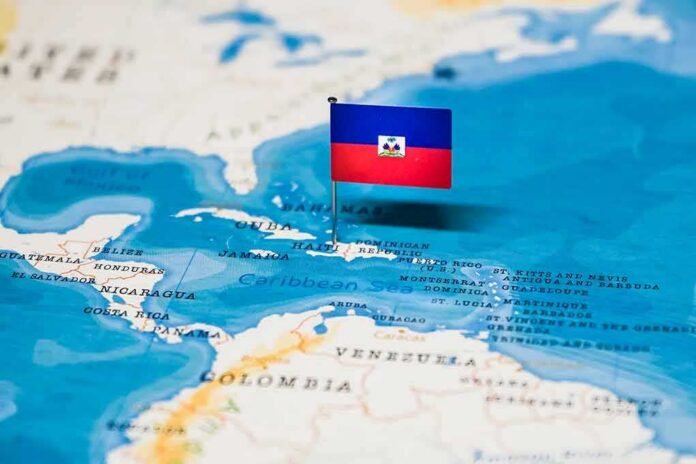
Cuba-linked activist groups are now facing fresh scrutiny after a State Department report said a public protest plan targeted U.S. military bases, Immigration and Customs Enforcement sites, and federal buildings.
Quick Take
- The State Department says a “National Rapid Response Plan” was spread by the National Network on Cuba.
- The report links that network to the Cuban Institute of Friendship with the Peoples, known as ICAP.
- The report names groups such as the People’s Forum, Code Pink, and the National Lawyers Guild.
- A separate Justice Department and Treasury Department probe is reportedly looking at alleged Cuba coordination by U.S. nonprofits.
What the State Department Says
The State Department report says the June “National Rapid Response Plan” was publicly posted and distributed by the National Network on Cuba, a coalition of more than 60 groups. It says the plan gives activists a ready-made playbook for protests if Washington takes tougher action against Havana. The report also says the network works closely with ICAP, a Cuban government entity sanctioned in June for allegedly supporting Cuban intelligence activity.
The report’s core concern is not that Americans may oppose U.S. policy toward Cuba. It is that a foreign government could be helping shape and steer protest networks inside the United States. That claim matters because the report describes ICAP as a central hub for Cuba’s international influence effort. The document says ICAP coordinates solidarity groups around the world, and it places the National Network on Cuba inside that orbit.
Groups Named in the Report
The report also highlights six organizations that it says overlap with Cuban outreach and U.S. left-wing activism. Those groups include the People’s Forum, Code Pink, and the National Lawyers Guild. The State Department says Code Pink has received about 25 percent of its funding since 2017 from organizations linked to Neville Roy Singham. It also says People’s Forum leader Manolo de los Santos has traveled to Cuba since at least 2009 and has appeared often in official Cuban media.
The National Lawyers Guild is also part of the dispute. The State Department says the group adopted a 2026 resolution pledging to work with the National Network on Cuba and the wider Cuba solidarity movement. That detail gives the report more weight than a vague political complaint. Still, the report itself does not show direct orders from Havana telling these groups when or where to protest. It relies on links, travel, funding, and public organizing ties.
What Is Proven, and What Is Not
The strongest part of the report is the paper trail behind the network and its public materials. ADN Cuba also reported that the National Network on Cuba developed a nationwide rapid response strategy meant to make U.S. military action against Cuba “politically and materially costly,” while directing affiliated groups to organize protests at federal sites. That supports the idea that the network is real and organized. It does not, by itself, prove direct Cuban command over every activist action.
State Department Report: Cuba-Linked Activists Now Planning Protests at US Bases, ICE Siteshttps://t.co/nHk22kKKib
— RedState (@RedState) July 20, 2026
That missing proof is important. The search materials do not show direct Cuban orders, intercepted messages, or financial records tying Havana to specific protest plans at U.S. bases or ICE sites. They also say the Justice Department and Treasury Department investigation is ongoing and not yet publicly confirmed with charges. So the public record points to a serious foreign influence concern, but not yet to a fully documented criminal conspiracy.
Why Conservatives Are Watching Closely
For conservatives, the concern is simple: if foreign regimes can work through U.S. activist groups, then they can exploit free speech to advance anti-American aims. That is exactly why the Trump administration has put Cuba back at the center of national security pressure and why Secretary of State Marco Rubio has pushed a harder line. The report fits a broader pattern where hostile governments use influence, money, and ideology to divide Americans from within.
At the same time, the fight over this report will likely stay loud. The National Network on Cuba condemned the State Department’s claims as false, and critics will argue the report smears legitimate protest. Cuban state media and allied outlets are also pushing back hard. That clash makes the issue politically charged, but it does not erase the report’s key point: the government says a foreign-linked network may be preparing to mobilize protests on U.S. soil.
Sources:
redstate.com, foxnews.com, en.cibercuba.com, state.gov, washingtontimes.com, raceandequality.org, mltoday.com, washingtonpost.com, prokerala.com, reuters.com
© bingeworthynews.com 2026. All rights reserved.