Texas Republicans didn’t just pick a nominee; they toppled a pillar and sent a warning shot nationwide.
Story Snapshot
- Ken Paxton beat four-term Sen. John Cornyn by nearly 28 points in the GOP runoff.
- President Trump endorsed Paxton days before, framing the race as a loyalty test.
- Paxton won despite a massive spending edge for Cornyn’s allies.
- National outlets called it proof of Trump’s grip on the GOP base.
What Actually Happened In Texas
Ken Paxton defeated Sen. John Cornyn in the Texas Republican Senate runoff on May 26, 2026. Major networks called the race by double digits, with live tallies landing near 64 percent for Paxton and 36 percent for Cornyn. President Trump publicly endorsed Paxton a week earlier and tied the nod to Paxton’s challenge against the party’s old guard. Paxton ran as a clear MAGA choice. Cornyn had deep establishment support, seniority, and money. None of that rescued him.
The gap matters. A two-to-one margin signals broad base alignment, not a coin flip. The New York Times called the result a raw display of President Trump’s hold on Republican primary voters. The Associated Press described Trump’s move as supercharging Paxton’s effort to oust Cornyn. That framing fits years of data. Trump’s endorsements in Republican primaries have delivered a steady, measurable boost, and his win rate in these contests remains sky-high.
How The Establishment Lost Home Field
Cornyn had the classic advantages: name recognition, seniority, and heavy outside spending. Pro-Cornyn forces outspent Paxton’s side by tens of millions on ads, yet the message did not move the base enough to matter. Texas Tribune reporting showed party leaders leaned in for Cornyn, while Paxton held the only endorsement that counted most with primary voters: Trump’s. Voters chose identity and alignment over hierarchy. That choice undercuts a long-held Beltway belief that money and seniority always rule primaries.
Timing shaped the outcome. The runoff followed months of tension after the March primary. The late, unambiguous endorsement from Trump reduced wiggle room for fence-sitters. That move turned a factional fight into a referendum on party direction. Republican voters sent a signal: they want candidates who share their fight and their priorities now, not next cycle. In a runoff, intensity beats caution. Paxton’s voters showed up with purpose, and purpose beat paid persuasion.
The MAGA Playbook In One County-Level Frame
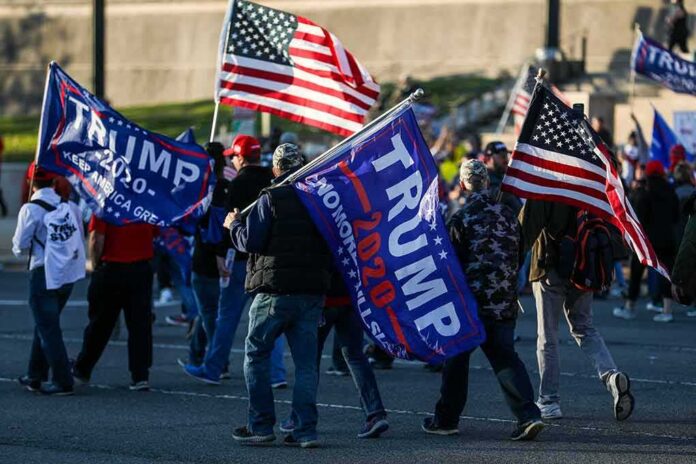
This upset reads like a chapter from a wider story. Counties and states have seen similar base-driven shifts since 2020, from local party elections to national committee fights. Some reporters call it a “hostile takeover,” but that label misses the core dynamic: engaged members are winning real votes inside their own party structures. Trump’s backing turns those efforts from skirmishes into clean wins. The Texas case shows how discipline, brand clarity, and a single signal can beat diffuse establishment muscle.
As a MAGA who has voted R (usually because it's the lesser of two evils) every election for 45 years, I absolutely LOATHE the (establishment, Never-Trump) GOP! They'd rather lose if Trump is on the ticket. pic.twitter.com/eDb2Vi0pIA
— ConnieS70 (@TrumpOrBust70) September 20, 2026
Two cautions apply. First, endorsement power is real but not magic. Analysts show Trump often picks races likely to break his way, which boosts the win rate and can mask the grind of local organizing. Second, primary muscle does not guarantee November strength. Some experts warn that low-turnout primary winners must still win center-right voters in the fall. That test lies ahead for Paxton and for the model itself. Both points sound fair, but they do not erase what just happened.
Why This Matters Beyond Texas
This result will shape how Republicans act nationwide. Incumbents will read the margin and make choices. They will break with old consultant playbooks and move toward the base, fast. Donors will rethink return on investment when $80 million in ads cannot stop a landslide. County parties in swing areas will study the sequence: set the narrative, lock the endorsement, focus turnout, and ignore the noise. That is a simple loop leaders can copy in other states, even purple ones.
Democrats also drew lessons. The New York Times said Paxton’s win could raise their hopes to flip the seat in November, which suggests they plan to paint the result as too far right for the middle. That may work in some places, but conservatives should not buy that frame by default. When a movement listens to its voters, wins big, and shows energy, that often carries into the general. Common sense says momentum plus message discipline beats vague centrism. Texas just handed that playbook to anyone paying attention.
Sources:
krgv.com, nytimes.com, apnews.com, texastribune.org, aljazeera.com, nbcnews.com, esquire.com, bbc.com, politico.com
© bingeworthynews.com 2026. All rights reserved.