Police video shows a Washington state House candidate admitting she drank wine, declining sobriety tests, and pleading to go home after a late-night multi-car crash.
Story Snapshot
- Crash near Lincoln High School damaged several parked cars after midnight, police say.
- Officers reported a strong odor of alcohol; video captures an admission to drinking wine.
- Candidate declined field sobriety tests and could not give a usable breath sample, reports say.
- A Tacoma Municipal Court judge found probable cause; she pleaded not guilty.
What Happened On The Street In Tacoma
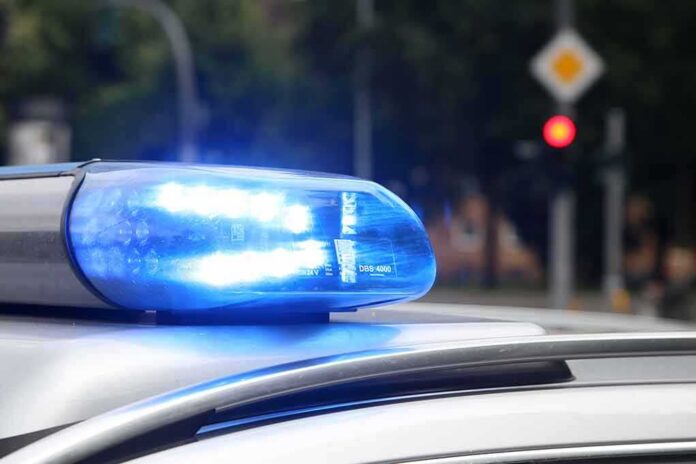
Tacoma police responded after midnight to a crash near Lincoln High School. Reports say the candidate’s truck hit a parked car and set off a chain reaction that damaged several vehicles. Officers documented what they saw and smelled. A camera recorded their contact with the driver. The video, as described in news reports, shows her admitting to drinking wine before driving and expressing confusion about what came next. The scene moved from the curb to custody as the driving under the influence arrest unfolded.
Officers asked for roadside sobriety tests. The driver declined. Washington law does not require those roadside tests, and saying no is common advice from defense lawyers. But prosecutors often argue refusal suggests impairment. That is an inference, not a number. The strongest chemical proof would be a blood or breath result. Public reporting so far points to an admission of drinking, officer observations, and refusal behavior, not a measured alcohol level. That gap will loom over the legal fight.
Inside The Video And The Paper Trail
Newsrooms that viewed or summarized the body-camera footage say the candidate told police she had wine and rated herself a four on a ten-point scale. She asked to go home before any tests, and she appeared upset in the patrol car. One outlet reported the breath machine timed out after three tries, leading to a refusal enhancement added to the charge. A Tacoma Municipal Court judge reviewed the case and found probable cause. The defendant then entered a not guilty plea to driving under the influence and the refusal enhancement.
The absence of a public toxicology number puts extra weight on the rest. Officer notes about odor of alcohol, driving behavior, confusion, and refusal can persuade a jury, but they face defense cross-examination. A single glass of wine, as the driver claimed, is not per se illegal. The state must prove impairment or a prohibited alcohol level while driving. Without a number, prosecutors build with the bricks they have. The defense will try to knock those bricks loose.
What Refusal Means In Court And In Politics
Refusal is a live wire in driving under the influence law. A national study linked to the National Highway Traffic Safety Administration reported a mean breath-test refusal rate of about twenty-one percent across dozens of jurisdictions, showing this choice is not rare. Prosecutors argue refusal shows consciousness of guilt. Defense attorneys counter that refusal avoids flawed tests or confusion. Both lines show up often. Juries weigh it with everything else. Refusal alone does not prove a number on a machine.
Krista Perez — Washington Democratic House candidate charged with DUI after a Tacoma crash; bodycam shows her tearful arrest weeks after winning her primary. Story: https://t.co/r8aI057c3I
— CancelPeople.com (@cancelpeoplenow) September 17, 2026
This case also lives in a campaign season, which bends attention. The charge landed days after a primary win, and highly edited video clips drove fast takes online. That warp can punish due process, yet common sense asks simple things. If you cause a multi-car crash late at night, admit to drinking, and decline tests, voters will ask why. Conservative readers value personal responsibility. The court will sort evidence. Voters will judge the judgment. Both verdicts matter.
Sources:
facebook.com, opb.org, yahoo.com, seattlered.com, law.cornell.edu
© bingeworthynews.com 2026. All rights reserved.