A man drove onto a sidewalk by the White House at midday, was detained within minutes, and his car search found nothing dangerous.
Story Snapshot
- Secret Service detained a driver who steered onto a sidewalk near Lafayette Square.
- Roads closed “out of an abundance of caution” as agencies secured the area.
- A vehicle sweep found no explosives or suspicious items, and the scene later cleared.
- The man was taken for a mental health evaluation after demanding to speak with President Trump, reports say.
What Happened at the White House Perimeter
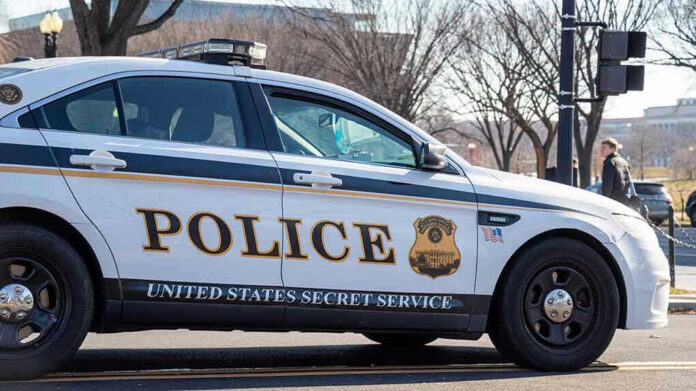
On Saturday, September 19, 2026, around 12:15 p.m., a man drove onto the sidewalk at 16th Street and H Street Northwest near Lafayette Square, just north of the White House. United States Secret Service officers and local police quickly detained him and secured the area. Officials closed nearby roads out of caution while teams checked the vehicle. Reporters at the scene described a large response, which is standard when a car breaches a pedestrian space so close to the White House.
United States Secret Service personnel swept the vehicle and reported negative results, meaning they found no explosives or other suspicious items. The Metropolitan Police Department supported the perimeter and traffic control as the inspection continued. The car was later removed after the checks were complete. No injuries were reported in early accounts. Agencies treated the incident as a precautionary security event rather than an active device threat, based on the search outcome.
What Officials and Reports Say About the Driver
Media outlets reported that the man demanded to speak with President Trump as he was detained near the scene. A Secret Service spokesperson said the individual was transported to a hospital for a mental health evaluation, a step that can occur when behavior raises safety concerns for the person or the public. Authorities did not release a name or age in early reports, and no charging documents were available at the time of publication.
Without a public identity, many details remain limited. Officials have not stated whether the sidewalk incursion was intentional, accidental, or linked to impairment. They also have not described the exact duration of the road closures or the time the area fully reopened. These gaps are common in fast-moving perimeter incidents where patient privacy and ongoing reviews can limit what agencies can share on day one.
Why These Incidents Draw Heavy Response
White House security relies on several layers that push risk outward and trigger fast action at the first sign of trouble. That design means even a vehicle rolling onto a sidewalk near the outer perimeter can prompt a large response from the United States Secret Service Uniformed Division and city police. Past reviews of protective operations stress that time and distance matter, so officials lock down streets early to gain control and prevent escalation.
Historical reviews and oversight documents describe how perimeter defenses and procedures evolved after past breaches. Independent panels urged stronger fences, faster coordination with local police, and clearer protocols for outer-zone incidents. These measures aim to reduce risk to the President, staff, and the public while keeping nearby spaces open when safe. As a result, closures can feel sweeping in the moment, even when a later search finds no threat.
What This Means for Public Safety and Accountability
Saturday’s outcome shows the balance agencies try to strike near the nation’s most sensitive site. Officers moved fast, set a perimeter, and searched the car. The search turned up nothing dangerous, and the man was routed to medical care rather than jail, at least at first report. Many Americans, across politics, want both strong protection and basic transparency when security actions disrupt daily life near public landmarks.
Public trust depends on prompt facts, clear communication, and restraint when force is not needed. The Secret Service often releases limited details during active assessments, which can frustrate people who fear either overreach or under-preparedness. Reasonable steps can help: timely summaries when scenes clear, public dashboards for non-sensitive incident statistics, and firm follow-up if policies fell short. Those basics honor safety, civil liberty, and the principle that government serves the people.
Sources:
nypost.com, news.meaww.com, themirror.com, oglobo.globo.com, thehill.com
© bingeworthynews.com 2026. All rights reserved.