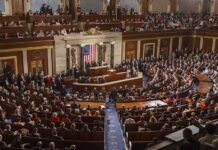
After receiving a sweeping presidential pardon, Dr. Anthony Fauci still invoked the Fifth Amendment more than 100 times in a Senate hearing, triggering a new fight over what Congress can compel him to answer and what the public has a right to know.
Story Highlights
- President Biden issued a broad, preemptive pardon for Dr. Fauci covering 2014 through January 19, 2025.
- Fauci later declined to answer many Senate questions, citing risk of prosecution despite the pardon.
- Judge Andrew Napolitano called the pardon a disservice and said the issue now is compulsion to testify.
- Legal experts say the pardon does not protect any new offenses after January 19, 2025.
What Happened At The Hearing
Senator Rand Paul led a Senate hearing where Dr. Anthony Fauci declined to answer more than 100 questions, invoking the Fifth Amendment right against self-incrimination. Fauci’s opening statement said he feared answers could be twisted into criminal charges, which his critics rejected as evasive. The exchange fueled bipartisan frustration with political theater and with a system that seems to protect insiders, not deliver clear answers for the public.
House and Senate Republicans argued the pardon removed Fauci’s risk of prosecution for covered conduct, so he should answer. Supporters countered that a witness may still face legal exposure from statements that could be used to build future cases or trigger state actions. These claims set up a legal test: when, if ever, does a sweeping federal pardon erase a valid Fifth Amendment basis in Congress?
What Biden’s Pardon Actually Covers
The official pardon warrant grants Dr. Fauci a “full and unconditional” pardon for any federal offenses “arising from or in any manner related to” his service as National Institute of Allergy and Infectious Diseases Director, White House Coronavirus Task Force member, and White House COVID-19 Response Team advisor, from January 1, 2014, through January 19, 2025. News outlets reported the White House framed it as protection from political “revenge” prosecutions tied to the pandemic era.
The New York Times reported that the pardon does not shield any conduct after January 19, 2025, and would not cover any future crimes, per standard clemency limits. That boundary matters. If answers at a hearing could expose potential post-pardon conduct or create new legal risk, a witness may still claim the Fifth. That is the gray zone lawmakers now want courts to clarify, if it gets that far.
Why The Fifth Amendment Question Matters
Congress can compel testimony but must respect the Constitution. If lawmakers want answers that could be self-incriminating, they can offer immunity. Here, critics say the pardon already acts like immunity for the covered period, so compulsion should follow. Supporters say the pardon’s scope and the risk of new or non-federal exposure keep the Fifth Amendment alive. Fact-checkers and legal analysts note that courts look at “real risk,” not politics alone.
Judge Andrew Napolitano said the president’s pardon power is broad and not easily undone, but he argued the larger issue is whether Fauci can still refuse to answer Congress under these terms. That stance matches the core dispute: whether the pardon removes enough criminal risk to defeat a Fifth claim about the same time frame. If courts side with Congress, Fauci could be ordered to answer or face contempt. If not, hearings may stay stuck in silence.
Congressional Pressure And Next Steps
Senator Paul renewed a referral of Fauci to the Department of Justice after the hearing, citing questions about how the pardon was authorized and insisting Fauci must testify fully. House Oversight leaders also argued that the pardon undercuts any Fifth claim on covered conduct. Those statements reflect growing anger on the right that powerful officials get special shields that everyday people never see.
Judge Napolitano: "Joe Biden did a profound, profound disservice to the country by giving the pardon to Anthony Fauci." pic.twitter.com/J6r6jbLWm6
— NEWSMAX (@NEWSMAX) July 30, 2026
Democrats, and some legal experts quoted by mainstream outlets, say the pardon was meant to prevent politically driven cases, not to certify wrongdoing, and that a witness can still protect himself from new risks the pardon does not cover. That argument speaks to a broader worry on the left and the right: government processes can become weapons when power changes hands, and the public ends up with more heat than light.
Why This Fight Resonates Beyond Fauci
This clash fits a pattern in Washington oversight battles. High-profile witnesses invoke the Fifth. Lawmakers argue over immunity, compulsion, and contempt. Media figures frame silence as guilt or as prudence. Meanwhile, families, small businesses, and seniors still carry heavy costs from the pandemic and from policies that seemed to shift daily. Many see a capital city more focused on saving face than fixing problems that make the American Dream feel out of reach.
President Trump and a Republican Congress want answers on pandemic decisions, lab research ties, and messaging. Biden’s pardon may have shielded the past, but it did not silence the present. The core question now is simple and urgent: does Congress have the power to force clear, complete testimony about actions already pardoned? Until a court rules or lawmakers grant targeted immunity, expect more hearings, more legal briefs, and more public frustration.
Sources:
youtube.com, nytimes.com, npr.org, justice.gov, politifact.com, pbs.org, bbc.com, hsgac.senate.gov, foxnews.com
© bingeworthynews.com 2026. All rights reserved.