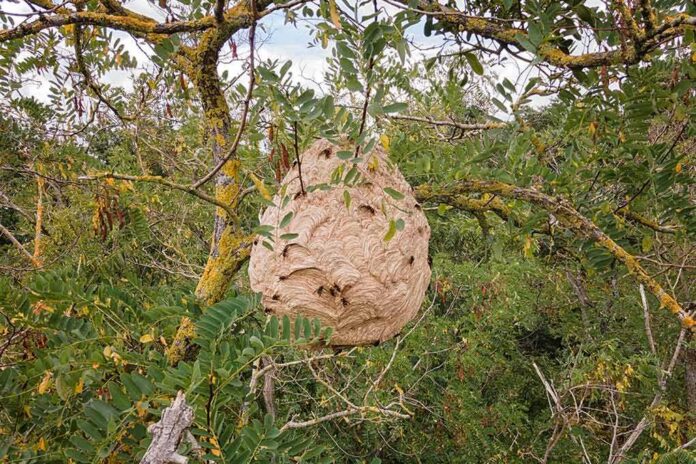
Britain’s wasps went missing this summer, and the trail points to wild spring weather that likely knocked out the queens before colonies could form.
Story Snapshot
- Scientists and local observers reported far fewer wasps across the UK this summer.
- Experts link the shortfall to sharp temperature swings, late frosts, heavy rain, and later heatwaves.
- Queen loss in spring can collapse whole colonies before workers appear, slashing sightings.
- Weather-driven boom and bust cycles in wasps are a known pattern in Britain.
What happened to the wasps this summer
Reports from universities, news outlets, and field observers said it was a very quiet wasp year across much of Britain. A ScienceDaily summary captured the worry: wasps were “mysteriously scarce,” and scientists suspected a mix of heat, cold snaps, and food shortages. University College London spotlighted Professor Seirian Sumner, who said several factors likely stacked up to cut numbers. Her account matched what many people felt in gardens and parks: fewer stings, fewer picnic raids, and far fewer nests seen in sheds and eaves.
The Telegraph described a “triple whammy” season. A warm, dry spring started colonies early. Wet spells with frosty nights in May then struck at a fragile stage. Later heatwaves dried flowers and stripped nectar, which adult wasps need for energy. HuffPost UK echoed the pattern, quoting Sumner on “unprecedented heat,” cold, damp days, and unexpectedly chilly nights that may have reduced queen survival in the founding weeks. The Ecologist framed the season as climate volatility throwing off the rhythm of wasps that time their year to spring cues.
Why queen survival is the hinge
Social wasps build their year on a single queen that starts alone in spring. She must find shelter, lay eggs, and raise the first batch of workers without help. Bad weather in this window can doom the entire colony. If queens die or stop laying, the nest never reaches the worker stage that people notice in summer. UCL coverage and The Telegraph both linked the 2026 shortfall to this queen bottleneck, which aligns with decades of research that puts spring weather at the center of wasp abundance.
Sharp switches between warm days and frosty nights are especially hard on solitary queens. Cold snaps slow metabolism and movement. Rain keeps queens grounded and wet, which wastes energy. Heat later in the season can wither flowers and dry up nectar, cutting adult fuel just when colonies need steady calories. That one-two punch explains how you can have a loud spring, then a quiet summer, with nests failing before workers ever become visible.
How this fits Britain’s boom-bust wasp pattern
Long-run work shows wasp numbers swing year to year, and spring conditions often drive those swings. A 2017 analysis of decades of records found weather as a key predictor, with warm, settled springs favoring wasps, and rough springs shrinking the cohort that makes it to summer. UCL’s 2024 commentary distilled this lesson for the public: most colonies fail in spring even in normal years, and a poor spring means even fewer make it. This summer’s reports follow that well-known script rather than a new mystery trend.
Media stories also noted more flies where wasps were scarce, which tracks with basic ecology. Fewer wasp predators can mean more nuisance insects, at least locally, and pest professionals said call patterns reflected the shift. That does not prove a national crash, but it does match the mechanism scientists described: fewer functional wasp colonies, fewer summer hunters, and fewer picnic patrols. One brief caveat applies: most accounts this summer drew on expert insight and observations rather than a single national census.
What to watch next and what common sense says
Several steps can tighten the picture. First, release any 2026 field datasets behind the roundups to show trap counts, sites, and timing. Second, line up citizen science logs and pest-control records to test whether quiet picnics matched fewer wasps in standardized traps. Third, measure queen survival and brood success against local spring frosts, rain, and nectar loss. Fourth, compare body size from 2026 specimens to past years if people truly saw smaller wasps.
Common sense lines up with the experts here. Weather that slams solitary queens in spring will leave you with fewer workers by August. Gardens will feel calm, bins will be busier with flies, and phone lines at pest firms will buzz less for nests and more for gnats. This is not a morality play about “good” or “bad” insects. It is about a simple chain: spring shapes queens, queens shape colonies, colonies shape our summer. This year, spring broke that chain.
Sources:
sciencedaily.com, ucl.ac.uk, telegraph.co.uk, huffingtonpost.co.uk, bbc.com
© bingeworthynews.com 2026. All rights reserved.