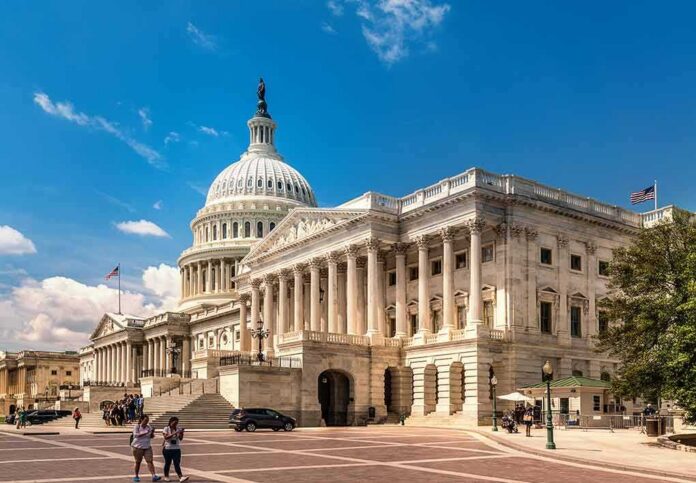
Democrats rode a wave of veteran wins to seize key defense oversight posts in Congress, setting up tougher scrutiny of Pentagon policy and spending.
Story Highlights
- Democrats flipped control of both chambers and now steer defense oversight agendas.
- Dozens of veteran winners strengthen credentials on the House and Senate armed services panels.
- Veterans remain a minority in Congress but may be more effective on some measures.
- Both parties face public demands to curb waste and refocus on troop care and mission clarity.
Democrats Gain Control And Agenda Power Over Defense
CNN projected that Democrats flipped both the House and the Senate, a shift that hands them control over military oversight and the legislative calendar. Committee chairs, hearing schedules, and witness lists now come from Democratic leaders. That control matters because it shapes which questions get asked and which programs get pressure. Politico described deep-red seat flips that widened the margin, adding leverage for leadership to drive defense priorities across committees.
Military oversight begins with the House and Senate armed services committees, which write the yearly defense bill. Military.com reported that several veterans, from both parties, already hold or seek important subcommittee roles that handle cyber, space, and personnel policy. With Democrats running the gavel, veterans in that caucus gain a louder voice on contract audits, force structure, and quality-of-life issues. That means new hearings, sharper deadlines, and more demands for documents.
Veteran Wins Add Experience, But Structure Still Rules
Stars and Stripes counted hundreds of veterans running this cycle, and several Democrats with service backgrounds won high-profile races, adding practical experience to oversight teams. Still, research shows veterans are a small share of Congress compared with the 1970s. Pew found about 18 percent of lawmakers were veterans in the 118th Congress, far below historic peaks. That context tempers the idea of a sweeping “veterans takeover,” even as fresh voices seek to refocus hearings on mission and accountability.
Scholars have tried to measure how service changes lawmaking. A report highlighted by the Military Officers Association of America cited findings that veteran members can be more effective on some metrics, and that post-9/11 veterans may stand out even more. Another study noted that veteran status does not guarantee higher effectiveness overall, but can change issue attention and advocacy patterns. In short, service can inform hard questions, yet committee power and party strategy still decide the outcomes.
What Oversight Could Look Like Under New Leadership
Democratic control likely brings a tighter spotlight on contractor overruns, readiness gaps, and barracks and housing conditions. Military.com’s review of committee leadership shows both parties have veteran voices ready to push on cyber defense, artificial intelligence, shipbuilding, and personnel care. With agenda power, Democrats can stage sequential hearings that force follow-ups, pair reports with subpoenas if needed, and tie findings to amendments in the annual defense bill. That workflow can quickly shift behavior at the Pentagon.
Voters across the spectrum want waste cut and results delivered. Many conservatives see years of bloated programs, culture fights, and slow fixes to basic needs on base. Many liberals see profits protected while troops and families struggle. The new Congress must meet both concerns. Research shows veteran lawmakers often engage more on constituent help and service-related cases, which could speed fixes for medical care, toxic exposure claims, and transition support if leaders empower that work.
Limits And The Stakes For Taxpayers And Troops
Democrats now lead, but they inherit limits. Wars, global threats, and rising costs crowd the agenda. Committee traditions and the Senate’s rules can slow big changes. Past studies warn against simple stories: veteran status alone does not drive outcomes; numbers, seniority, and party discipline matter more. Still, this Congress has a chance to make oversight real by tying every promise to a hearing, every hearing to a deadline, and every deadline to a budget line the public can track.
Sources:
politico.com, military.com, inquirer.com, apnews.com, thelawmakers.org, ideas.repec.org, economist.com
© bingeworthynews.com 2026. All rights reserved.