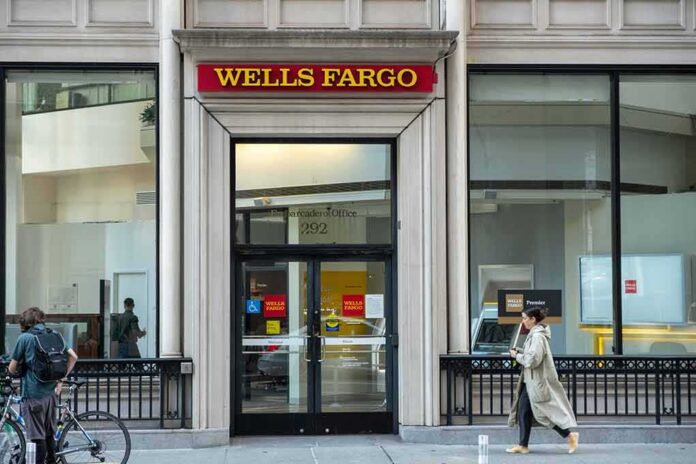
A school-choice advocate says a Wells Fargo executive “liked” a post seen as a threat against his family — and the bank’s silence is fueling anger about powerful institutions playing by their own rules.
Story Snapshot
- Corey DeAngelis says online backlash targeted him and his family.
- Wells Fargo lists senior leaders publicly, drawing scrutiny to executive conduct.
- The bank’s past scandals shape how people read new conduct claims.
- Wells Fargo issues formal statements when it chooses to speak.
What DeAngelis Reported About Threats To His Family
Corey DeAngelis, a leading voice for school choice, said the storm around him spread to his loved ones. He stated, “They also came after my family,” after a wave of online attacks tied to his advocacy. DeAngelis framed the pressure as an effort to “cancel” him and break family bonds. His account places a human face on online rage. It also raises a hard line for employers: when an employee’s public actions touch a family photo, the stakes change fast.
DeAngelis’s claim is clear and personal, and it points to a basic norm: families should be off-limits. People across the political spectrum tend to agree on that point. When posts look like threats, the line is even sharper. That is why the “like” he cites drew so much attention. A simple tap can look like an endorsement. In a world where digital signals are receipts, even small actions by people with power carry weight.
Why Wells Fargo Faces Added Scrutiny Here
Wells Fargo publishes detailed leadership and governance pages. Those pages name top executives and their roles, which lets the public match conduct to people with clear authority at the firm. That transparency cuts both ways. It helps accountability, but it also raises the bar. When a person tied to leadership interacts with a post seen as threatening, observers see it as a signal from the brand, not just a private action. That is a high-risk zone for any bank.
The bank also carries a long record of past compliance failures. Those include years of sales-practice abuses that later led to major enforcement actions and a large federal resolution. History does not decide this case, but it colors how many readers react. People who already see a pattern of rule-bending may assume the worst faster. That is the cost of a damaged trust account: every new claim draws compound interest.
How Big Companies Usually Respond To Hot-Button Posts
Large employers often avoid discussing personnel matters in public. That is common legal practice, yet it can look like ducking the issue. Wells Fargo has shown it can speak when it wants to, issuing controlled statements on regulatory actions through its newsroom. Many readers now expect the same clarity on high-profile social-media conduct. Clear standards, a brief summary of steps, and a commitment to safety can steady nerves without breaching privacy rules.
The core task for any employer is simple to state and hard to do. Leaders should review the post, confirm who did what, and check the company’s code. If a threat or harassment is involved, fast action matters. If context is unclear, careful review still matters. Either way, families need to feel safe, and customers need to know the brand’s values are not just words. That is how trust is kept in tense times.
Why This Story Resonates Beyond One Bank
This clash shows how a single click can feed a wider belief that the powerful play by different rules. Many conservatives see a double standard around speech and safety. Many liberals see growing impunity for the well-connected. Both sides agree on one thing: people want fairness that applies to everyone. When a company signals that threats are out of bounds, and backs it with action, it supports that shared American value.
"A Wells Fargo executive liked a comment widely viewed as a threat on a family photo posted by school choice advocate Corey DeAngelis."https://t.co/MgTzwgIzjt
— Corey A. DeAngelis, school choice evangelist (@DeAngelisCorey) August 27, 2026
The lesson is broader than banking. Every institution now lives online, and every action leaves a trail. Companies should set bright lines on threats and harassment and enforce them without fear or favor. Public trust grows when leaders act fast, state facts, and protect families from spillover harm. That approach does not please every camp, but it meets the basic test that most Americans still share: do the right thing, even when it is hard.
Sources:
twitchy.com, newsroom.wf.com, linkedin.com, wellsfargo.com
© bingeworthynews.com 2026. All rights reserved.