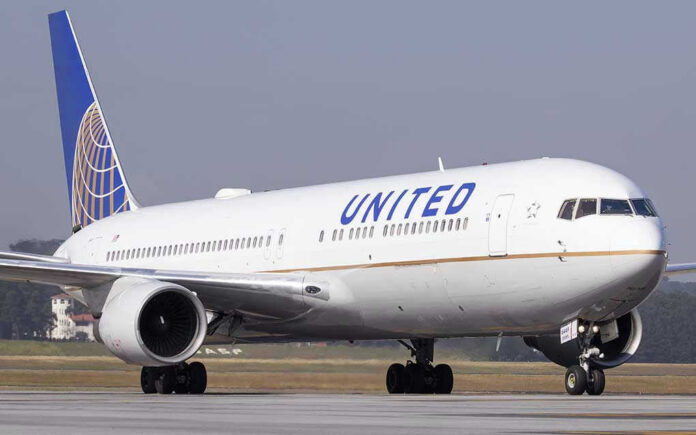
A United Airlines pilot collided with a mysterious red, shiny object at 3,000 feet over San Diego, shattering the illusion of safe skies and exposing glaring gaps in drone regulation.
Story Snapshot
- Pilot of Flight 1980 struck small, unidentified object described as a drone during descent into San Diego.
- Incident at 3,000 feet violates FAA drone altitude limits, raising alarms in regulated Class B airspace.
- No injuries or damage reported; viral ATC audio fuels public fear without official confirmation.
- Event underscores rising drone threats to aviation, demanding stricter enforcement.
Flight 1980 Collision Details
United Airlines Flight 1980 departed San Francisco for San Diego International Airport on a Boeing 737. The pilot struck a small, red, shiny object at approximately 3,000 feet near San Diego during Wednesday afternoon descent. After landing off runway 27 at Broadway Robin, the pilot radioed ground control. The transmission captured the crew stating they hit what appeared to be a drone. No passengers or crew suffered injuries. The aircraft showed no visible damage.
United Airlines flight reportedly hits drone at 3,000 feet over San Diegohttps://t.co/6UHJ8JSaU3
— Bodoxstocks (@bodoxstocks) April 29, 2026
Regulatory Violations in Class B Airspace
FAA rules restrict drones to 400 feet maximum altitude without special waivers. San Diego International Airport sits in Class B airspace, a no-fly zone for unauthorized drones. The 3,000-foot collision height points to blatant illegal operation or possible misidentification like a bird or balloon. Flight paths from SFO to SAN cross urban zones with high recreational drone activity. Such violations demand immediate accountability to protect commercial aviation.
Stakeholders and Investigation Status
United Airlines prioritizes crew safety and regulatory reporting. FAA and Air Traffic Control oversee airspace security and probe incidents. San Diego Airport Authority safeguards local operations. No drone operator surfaced, leaving investigators in control. FAA holds authority over airlines; United follows NTSB protocols. Officials issued no statements. The pilot’s audio remains the only source: “We hit a drone… It was red. It was shiny. It was so small, I couldn’t tell.”
Rising Drone Threats and Precedents
Drone incursions surged globally since 2021, with databases logging hundreds of near-misses and strikes. U.S. airports face frequent sightings, though no prior United or San Diego matches exist. Enforcement lags behind recreational and commercial drone growth. Trackers like D-Fend urge real-time detection technology. Aviation experts highlight misidentification risks at altitude but stress the gravity of 3,000-foot encounters. Common sense aligns with conservative calls for robust airspace defense over lax rules.
Skeptics question the drone label given the pilot’s uncertainty, yet facts support treating it seriously. Broader trends validate the threat.
Impacts and Future Enforcement
Short-term effects include potential inspections and FAA patrols at SAN. Long-term, confirmation could drive geofencing and remote ID mandates. Passengers and aviators face heightened risks; drone users invite scrutiny. Socially, fear grips air travelers. Politically, pressure mounts on FAA for common-sense reforms. Industry shifts may hike insurance and tech standards, reinforcing aviation over unchecked drone proliferation.
Sources:
United Airlines flight 1980 reportedly hit by drone above San Diego