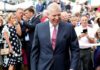
A senior government scientist who spent sixteen years advising on America’s infectious disease response now faces federal charges for allegedly orchestrating an elaborate scheme to hide his communications from the American public during the deadliest pandemic in a century.
Story Snapshot
- Dr. David Morens, 78-year-old former senior adviser at NIAID, indicted on five federal counts including conspiracy to defraud the United States and destruction of federal records
- Allegations include using personal Gmail to evade Freedom of Information Act requests about COVID-19 origins and NIH funding while receiving gratuities like wine from beneficiaries
- Indictment ties directly to controversial EcoHealth Alliance bat coronavirus grant and efforts to suppress lab-leak theories during the pandemic
- Case builds on 2024 congressional investigation that uncovered Morens boasting in emails about hiding records from the “FOIA lady”
- Acting Attorney General Todd Blanche calls it a “profound abuse of trust” aimed at suppressing alternative theories on COVID-19 origins
The Charges That Shook Public Health Bureaucracy
Federal prosecutors dropped an indictment on Dr. David Morens that reads like a case study in bureaucratic corruption. The former National Institute of Allergy and Infectious Diseases senior adviser faces five counts: conspiracy against the United States, two counts of making false statements, destruction of records in federal investigations, and concealment of federal records. The Justice Department alleges Morens worked with two unnamed co-conspirators to systematically evade transparency laws during the height of the COVID-19 pandemic. He made his initial court appearance before a federal magistrate judge in late April 2026, with arraignment scheduled for early May.
Gmail Became the Government’s Shadow Communication Network
The indictment reveals Morens and his alleged co-conspirators established a deliberate system to circumvent official channels. Between April 2020 and December 2022, as NIAID received multiple FOIA requests from transparency groups like Judicial Watch and the Heritage Foundation, Morens shifted sensitive communications to his personal Gmail account. These weren’t casual exchanges. The hidden emails addressed COVID-19 origins, the controversial bat coronavirus grant titled “Understanding the Risk of Bat Coronavirus Emergence,” and coordinated efforts to influence NIH funding decisions. Prosecutors allege he shared non-public NIH information through these back channels and even edited letters to NIH leadership while keeping no official record.
Following the Money and the Wine
The indictment includes details that elevate this beyond typical records violations. Morens allegedly received gratuities from the very organizations he was supposed to regulate and oversee. Wine shipments. Restaurant offers. These weren’t random gifts. Prosecutors paint a picture of quid pro quo arrangements where Morens performed favorable official acts for entities like EcoHealth Alliance, the New York nonprofit that received the 2014 NIH bat coronavirus grant. After NIH terminated that grant, evidence suggests Morens became a back-channel advocate working to restore funding. FBI Director Kash Patel didn’t mince words, stating that circumventing records protocols and accepting kickbacks “will not be tolerated.”
The EcoHealth Alliance Connection
EcoHealth Alliance emerges as the central beneficiary in this alleged scheme. The organization, led by president Peter Daszak who appears to be the unnamed “Co-Conspirator 1” in court documents, conducted bat coronavirus research in Wuhan, China under NIH funding. When scrutiny intensified over potential laboratory origins of COVID-19, that grant became radioactive. The indictment alleges Morens didn’t just hide communications about the grant. He actively authored journal pieces promoting the natural-origin theory of COVID-19, pieces that benefited EcoHealth’s narrative. He channeled information to what prosecutors identify as “Senior NIAID Official 1,” widely understood to be Dr. Anthony Fauci, Morens’s boss from 2006 until both retired in 2022.
Congress Saw This Coming
House Oversight Committee Chairman James Comer had been on Morens’s trail for two years before the indictment dropped. The Select Subcommittee on the Coronavirus Pandemic uncovered smoking-gun emails in 2024 where Morens literally boasted about his ability to hide records from FOIA officers. Under congressional oath, Morens admitted to deleting emails. Comer’s reaction to the indictment was vindication: “Caught Morens red-handed.” The congressional investigation exposed what federal prosecutors would later formalize as criminal conspiracy. These weren’t accidental deletions or bureaucratic confusion. The evidence shows a scientist who understood records laws and deliberately violated them while mocking the very transparency systems designed to hold government accountable.
What This Means for Public Health Transparency
The Morens indictment arrives at a moment when public trust in federal health agencies sits near historic lows. The short-term fallout will intensify scrutiny on NIAID and NIH records practices. Scientists across these agencies now face heightened compliance pressures and potential investigations into their own email habits. Long-term implications cut deeper. This case could establish legal precedent for aggressively prosecuting FOIA evasion within science agencies, fundamentally changing how federal researchers handle controversial topics. The political dimension cannot be ignored either. Under the current administration, with Acting Attorney General Todd Blanche and FBI Director Kash Patel driving the prosecution, this case amplifies the lab-leak narrative that Morens allegedly worked to suppress.
The Broader Reckoning
This prosecution challenges the cozy relationship between federal funding agencies and the nonprofits they bankroll. For years, organizations like EcoHealth Alliance operated in a gray zone where grant recipients maintained uncomfortably close ties with the officials who controlled their funding spigot. Morens allegedly transformed that gray zone into outright corruption. The case forces uncomfortable questions about the entire NIH grant ecosystem. How many other senior officials used personal email for official business? How many other grants received favorable treatment through back channels? The indictment mentions wine and restaurant offers, but the real currency was influence over billions in research funding and control over scientific narratives that shaped global pandemic policy.
Dr. David Morens spent sixteen years as a trusted voice in America’s infectious disease apparatus. If prosecutors prove their case, that trust was betrayed not in a moment of crisis weakness but through a calculated, years-long conspiracy executed during the greatest public health emergency of our lifetimes. The criminal charges represent more than one man’s alleged misconduct. They expose systemic rot in how unelected bureaucrats wielded enormous power over pandemic research funding and scientific discourse while actively subverting the transparency laws meant to keep that power in check. The trial ahead will determine Morens’s legal fate, but the damage to institutional credibility may prove impossible to repair.
Sources:
CBS News – NIAID David Morens indicted COVID-19 pandemic Anthony Fauci
STAT News – Fauci adviser David Morens indicted concealing emails avoiding FOIA
Fox San Antonio – Advisor to Dr. Anthony Fauci indicted by DOJ for concealing COVID-19 records