Hundreds of Los Angeles–area hospices just lost access to federal payments amid explosive fraud allegations, signaling a sweeping crackdown that could finally stop scammers from raiding Medicare and abusing vulnerable families.
Story Snapshot
- Federal task force suspended 447 hospices and 23 home health agencies over an estimated $600 million in suspected fraud [1][2]
- Department of Justice charged 15 people in a $60 million “sham hospice” scheme, alleging kickbacks and fake patients [5]
- Officials describe widespread tactics: enrolling unqualified patients, license flipping, and illicit payments for referrals [2]
- California cites prior actions, while questions remain about public evidence for every new suspension [4][1]
Mass Suspensions Target Suspected Los Angeles Hospice Fraud
Federal officials suspended Medicare payments to 447 hospices and 23 home health agencies in the Los Angeles area, estimating more than $600 million in suspected fraud tied to these providers [1][2]. The action came from an anti-fraud task force led by Vice President J. D. Vance, and represents a dramatic escalation from earlier reports of 221 suspensions that followed federal raids and arrests [3][6]. Authorities describe the latest wave as a response to entrenched schemes that exploited end-of-life care for profit at taxpayer expense [1][2].
Officials and industry trackers say many schemes relied on aggressive recruitment of people who did not qualify for hospice, patient transfers between companies for cash, recycled licenses, and illegal kickbacks for referrals [2]. Reporters and prosecutors highlighted indicators such as unusually high survival rates and the same physicians repeatedly certifying terminal status across multiple facilities, patterns that triggered federal scrutiny [2][4]. While the task force’s estimates are substantial, detailed evidence for each of the 447 suspensions has not yet been made public beyond specific criminal cases [1][2].
Criminal Charges Underscore “Sham Hospice” Allegations
The Department of Justice charged 15 individuals in a case federal officials dubbed “Operation Never Say Die,” alleging a $60 million fraud network in Southern California’s hospice market [5]. Prosecutors stated one hospice alone submitted more than $5.2 million in fraudulent claims, receiving over $4 million in Medicare payments before investigators intervened [5]. The charges describe elaborate arrangements using kickbacks, falsified certifications, and shell entities, offering a glimpse into how large sums allegedly moved through providers that prioritized billing volume over legitimate end-of-life care [5].
Conservative lawmakers argue these indictments validate broader enforcement sweeps by showing the mechanics behind the numbers. To prevent new fraud, Dr. Mehmet Oz said the Centers for Medicare and Medicaid Services created a checklist drawn from common scam tactics and that these red flags will now prompt on-site inspections to verify legitimacy [4]. Officials say the goal is straightforward: protect seniors and taxpayers by cutting off payments to entities failing basic tests of medical necessity, documentation, and ethical conduct [4].
California’s Role, Prior Warnings, and Unanswered Questions
California officials counter that the state has been acting for years and revoked roughly 280 hospice licenses, while supporting federal efforts to remove bad actors [4]. Earlier coverage noted a surge in new hospice agencies in Los Angeles over the past decade, conditions that watchdogs warned could conceal organized fraud rings targeting Medicare beneficiaries [1][2][3]. The state’s statements highlight an ongoing tension: whether earlier local measures were sufficient, and how state and federal enforcement will align to prevent fraud without disrupting access for legitimate patients [4].
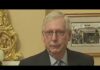
#NEW: @VP Vance on rampant hospice fraud in the U.S….
“We see a lot of fraud in the home health care and in the hospice care system. I think Doctor Oz will probably talk a little bit more about that. But again, you have to appreciate that this fraud issue is fundamentally… pic.twitter.com/h1bd7TACZ2
— Curtis Houck (@CurtisHouck) May 13, 2026
Transparency questions remain. Reports on the 447 suspensions cite sweeping estimates and patterns but do not include public case files for each provider beyond those already charged, and statements about the fraction of fraudulent hospices lack precise totals for the overall Los Angeles market [1][2][3]. Conservatives will want clear audit trails, payment clawback data, and due process timelines that confirm taxpayers are protected while legitimate providers can defend themselves quickly if wrongly flagged [1][2][3][4].
What This Means for Seniors, Taxpayers, and Real Hospice Care
Families deserve confidence that end-of-life care honors dignity, not kickback schemes. Task force leaders say suspensions are a temporary brake on payments while evidence is reviewed, a structure intended to stop losses immediately while ensuring legal standards are met [1][3]. If federal data and future indictments corroborate the current estimates, taxpayers could be spared hundreds of millions of dollars, and genuine hospice teams will see rogue competitors removed so that resources flow to patients who truly need comfort-focused care [1][2][5].
Sources:
[1] Web – Vance task force suspends 447 hospices over $600M LA fraud claims
[2] Web – Anti-Fraud Task Force Suspends 447 Hospices
[3] Web – Vance anti-fraud task force suspends 221 California hospice and …
[4] Web – Dr. Oz pledges to tackle hospice fraud: “Do not steal … – CBS News
[5] YouTube – DOJ targets California’s ‘kingdom of fraud’ in massive $60M hospice …
[6] Web – Vance anti-fraud task force suspends 221 California hospice and …