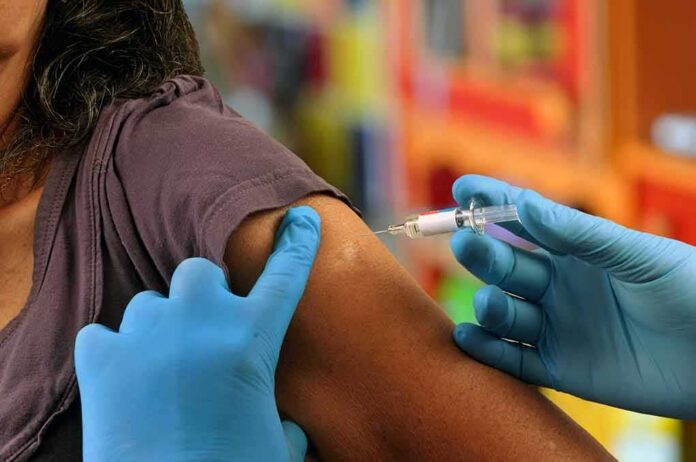
World Health Organization vaccine experts say countries can now offer the HPV shot to girls as young as 4 years old, not just to preteens, if doing so gets more girls vaccinated.
Quick Take
- World Health Organization (WHO) vaccine expert Mr Scott says nations may consider routine HPV vaccination for girls aged 4 to 8 if it boosts uptake and coverage.
- WHO still names girls aged 9 to 14 as the main target group, vaccinated before they become sexually active.
- The option is tied to an ongoing push to simplify dosing schedules and raise historically low global coverage rates.
- Global HPV vaccination coverage for girls rose from 20 percent in 2022 to 27 percent in 2023, still far short of goals.
What The WHO Recommendation Actually Says
The Strategic Advisory Group of Experts on Immunization, WHO’s independent vaccine advisory body, has signed off on a flexible approach to HPV shots. A WHO vaccine expert identified as Mr Scott told reporters that countries may consider routine vaccination for girls aged 4 to 8 when it is likely to increase uptake and coverage. That is a conditional option, not a blanket mandate for toddlers or young children everywhere.
The idea behind the younger age option is practical, not biological. Many countries already see children for routine shots before age 9, but struggle to reach the same kids again once they hit their preteen years. Catching girls earlier, during a visit they are already making, could close that gap. It is a logistics fix aimed at a stubborn global coverage problem.
Why Ages 9 To 14 Remain The Main Target
WHO’s formal position paper, last updated in December 2022, still lists girls aged 9 to 14 as the primary group for HPV vaccination. The goal is to vaccinate girls before they become sexually active, since the virus spreads through intimate contact and the shot works best before any exposure. The 4 to 8 age option sits alongside that core recommendation, not in place of it.
That same 2022 update also simplified the dosing schedule itself. WHO now allows one or two doses for girls aged 9 to 14, down from the original three-shot regimen. Health officials designed the change to make vaccination programs easier to run and more likely to reach completion, especially in countries with thin health budgets and crowded clinic schedules.
The Coverage Numbers Behind The Push
HPV vaccination has never come close to matching other childhood shots in reach. Globally, the share of adolescent girls who received at least one dose rose from just 20 percent in 2022 to 27 percent in 2023, according to WHO data. That improvement is real, but it still leaves roughly three out of every four girls worldwide unprotected against a virus tied to nearly all cervical cancer cases.
Coverage gaps vary wildly by country. Some nations report first-dose rates above 90 percent, while others sit below 25 percent, often due to supply shortages, weak school-based delivery systems, or simple lack of awareness among parents. Those disparities help explain why WHO experts are willing to consider earlier vaccination windows as one more tool to level the playing field.
Why Younger Vaccination Ages Carry Extra Scrutiny
Vaccinating a 4-year-old against a sexually transmitted infection sounds jarring to many parents at first glance, and that reaction is understandable. The virus itself is common and mostly spread through intimate contact later in life, which makes the optics of early vaccination a sensitive subject for families weighing the decision. Parents deserve a clear, honest explanation of the timing logic, not just a policy update.
CMCA has launched its latest campaign – Men Get It.
The message is men can get HPV – and can get vaccinated against it.
The campaign aims to increase awareness of HPV vaccination among gay, bisexual and other men who have sex with men.
Find out more at https://t.co/8PoZ1CGTR4 pic.twitter.com/ha0Ru4IaKq— Cheshire and Merseyside Cancer Alliance (@CMCaAlliance) October 13, 2026
The honest explanation is straightforward: earlier vaccination is about catching kids while they are already in the clinic, not about assuming risk at age 4. Health officials in the United States follow a similar logic, with the Centers for Disease Control and Prevention allowing HPV vaccination starting at age 9 even though the routine recommendation targets age 11 or 12. Parents who want more detail should ask their pediatrician directly about timing, dosing, and the evidence behind it.
Sources:
insiderpaper.com, who.int, terrance.who.int
© bingeworthynews.com 2026. All rights reserved.