Deadly strikes on Saudi airports killed travelers and staff, damaged facilities, and disrupted hundreds of flights in a single week.
Story Snapshot
- Saudi aviation officials confirmed multiple airport attacks with deaths, injuries, and damage.
- Riyadh’s King Khalid International saw two strikes and fatalities, including a Saudia pilot.
- The Houthi movement claimed responsibility for several of the attacks and promised more.
- Flight operations were widely disrupted across the kingdom, with cancellations and delays.
What Saudi Officials Confirmed This Week
Saudi Arabia’s General Authority of Civil Aviation reported a string of attacks on civilian airports between October 6 and October 9. Officials said Najran and Jizan airports were hit first, with three people lightly injured and facilities damaged. They later confirmed casualties at Abha International Airport and Riyadh’s King Khalid International Airport. At Abha, two died and 28 were wounded. At King Khalid, one died and eight were hurt in earlier strikes reported that week.
By Friday, the aviation authority said two more attacks had struck King Khalid International Airport in Riyadh. The first hit airport facilities. The second damaged a Saudia aircraft and killed three Saudi citizens, including a pilot, while others were wounded. The reports described damage and casualties at civilian sites. The statements did not assign responsibility in every case, but they detailed when and where the incidents happened and the impact on airport operations.
Claims From The Houthi Movement
Yemen’s Houthi movement said it launched strikes on Saudi airports during the same period. A Houthi military spokesman claimed attacks on Riyadh, Najran, Abha, and other sites, and said a ballistic missile hit King Khalid International Airport, disrupting operations. Cable and online outlets reported those Houthi claims alongside Saudi casualty updates. The overlap between the Houthi target list and the Saudi incident reports added weight to the timeline, even as Saudi statements often avoided naming the group.
The Houthi messages framed the attacks as part of the ongoing conflict and warned of further strikes on aviation hubs. Those statements tried to justify disrupting civilian air travel as pressure against Saudi policy. That stance collides with long-standing rules protecting civilians and civil aviation. The location and nature of the targets ensured the story drew global attention, with images and accounts of wounded travelers and damaged planes dominating coverage.
How Air Travel Was Disrupted
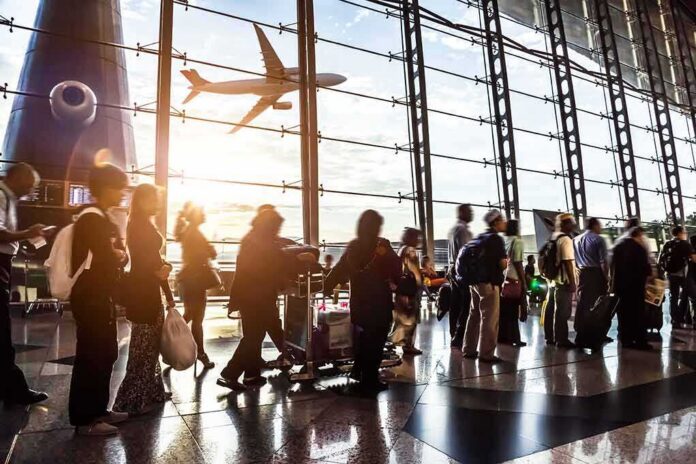
News outlets reported widespread flight disruption after the attacks. Saudi aviation updates and airline notices triggered cancellations and delays across multiple airports, including in the capital. One network said hundreds of flights were affected as carriers diverted or paused service while crews assessed risk and damage. The knock-on effects rippled through schedules, stranding passengers, snarling cargo, and stressing airport security teams. The total count of affected flights remains less precise than the confirmed casualties.
Saudi Arabia's Riyadh International Airport to remain closed until October 17 following deadly Houthi attacks.
— 🟡 The Professor 🕵️♂️ (@TheNewsProfesor) October 12, 2026
Disruption at high-traffic hubs has economic and safety costs that reach far beyond the terminals. Airport closures delay medical travel, business links, and pilgrimage routes. Airlines must reroute planes, add fuel stops, and reposition crews. Insurers reassess premiums. Travelers weigh risk and change plans. Each added day of uncertainty raises the bill and hardens public anger at leaders who seem unable to stop the violence or secure vital infrastructure.
Why This Matters For Americans
Attacks on civilian airports threaten a basic norm: people should travel without fear that war will follow them into a terminal. When that line is crossed, everyone pays more for less safety. Many Americans on both left and right already see a global system run by elites who protect themselves first. Strikes that shut down airports feed that view. They raise oil and ticket prices, expose supply chains, and remind families that distant wars can hit home through costs and chaos.
What We Know And What Comes Next
Here is what stands firm: Saudi aviation authorities confirmed multiple strikes, deaths, injuries, and damage at Najran, Jizan, Abha, and Riyadh’s King Khalid airports. The Houthi movement publicly claimed several of those attacks and vowed more. Major disruptions followed, with widespread cancellations and delays across the country. Officials have not publicly detailed every weapon or named a culprit in each statement. But the pattern shows civilian aviation is now a front in this conflict.
Sources:
redstate.com, bbc.co.uk, apnews.com, dw.com, cnn.com
© bingeworthynews.com 2026. All rights reserved.