At the very moment America is at war with Iran, local New York City officials tried to open their own back channel — and now House Republicans want to know if that crossed the line from city diplomacy into illegal, unauthorized negotiations.
Story Snapshot
- House Republicans asked the Department of Justice to investigate New York City Mayor Zohran Mamdani’s team over a planned meeting with Iran’s ambassador to the United Nations, citing possible Logan Act violations.
- A top Mamdani aide scheduled a July 7 sit‑down with Iran’s United Nations ambassador in Manhattan, but the United States State Department intervened and the meeting was canceled before it happened.
- Mamdani says he did not know about the meeting ahead of time, calls it an administrative “error,” and stresses that no conversation with the Iranian envoy actually took place.
- The clash highlights growing tension as local governments act like mini‑foreign ministries, often without clear rules from Washington, while many Americans on both the left and right worry elites play their own games with war and diplomacy.
What House Republicans Are Demanding
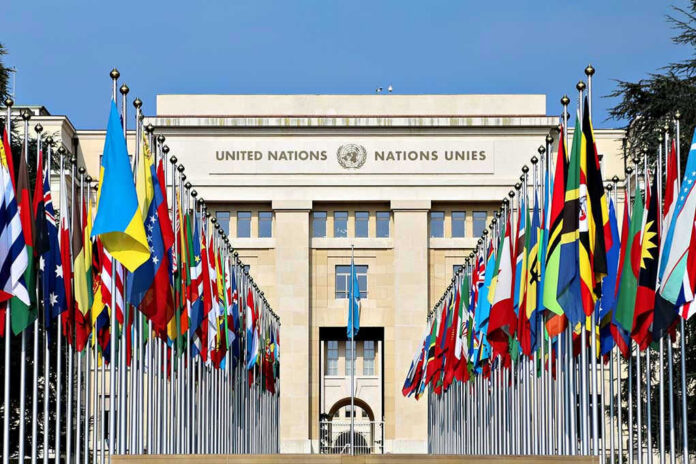
House Republicans led by North Carolina Representative Addison McDowell sent a formal letter to the United States Department of Justice asking for an investigation into Mayor Zohran Mamdani’s administration. The letter says city officials may have violated the Logan Act, a federal law that bars private citizens from unauthorized talks with foreign governments that are in conflict with the United States. Lawmakers point to reports that a senior Mamdani aide tried to schedule a meeting with Iran’s ambassador to the United Nations while American forces were carrying out strikes against Iranian targets.
The Republicans’ letter focuses on the July 7, 2026 calendar entry for a meeting between Ana María Archila, New York City’s commissioner for international affairs, and Iranian envoy Amir‑Saeid Iravani at the United Nations in New York. Coverage describes the planned talk as “unauthorized,” noting that the Trump administration was negotiating with Iran at the same time at the federal level. In their request, the lawmakers argue that any unapproved local contact with Iranian officials in wartime could interfere with national policy and therefore deserves close legal review.
How the Meeting Was Planned and Then Shut Down
Reports from multiple outlets say Archila’s office sent or accepted an invitation for a private meeting with Iravani at United Nations headquarters, listing at least two other senior city officials as expected attendees. The planned meeting was not cleared with the United States State Department or with federal national security officials, even though Iran is considered a hostile power under current United States policy. Once federal authorities learned of the scheduled sit‑down, State Department officials contacted City Hall and the United Nations mission and pushed to have the event canceled.
Federal intervention worked: the meeting never happened, and no direct policy talks between New York City officials and the Iranian ambassador have been reported. After the episode became public, Mamdani confirmed that his commissioner for international affairs “made arrangements” to meet the ambassador but said the session was “arranged in error.” Archila was reportedly reprimanded internally for moving ahead without proper clearance or for failing to fully brief the mayor about the plan. The administration has said it is building a “new process” for handling requests to meet foreign officials so this kind of incident does not happen again.
Why the Logan Act and Local Diplomacy Are Back in the Spotlight
The Logan Act, passed in 1799, makes it a crime for any United States citizen to carry on unauthorized correspondence or negotiations with a foreign government in dispute with the United States. Legal experts note that the law is rarely used and no one has been successfully prosecuted under it in modern times, but it often returns to the spotlight when politicians argue that rivals are meddling in foreign policy. In this case, House Republicans say the Mamdani team’s outreach to Iran during active military operations raises serious questions about whether local leaders are trying to run their own foreign policy.
At the same time, a broader trend is driving more clashes like this one. Over the last decade, large cities have opened international affairs offices, signed “city‑to‑city” agreements, and met directly with foreign leaders on issues like trade, climate, and migration. An Atlantic Council analysis argues that mayors are “quickly becoming international diplomats” without Washington having a clear blueprint or rules for how those contacts should work. That gap leaves room for confusion and for accusations that local officials either overstep or get used by foreign governments seeking influence outside normal federal channels.
Shared Concerns About Elites, War, and Accountability
The Mamdani Iran flap taps into deep frustration across the political spectrum. Many conservatives see a left‑leaning New York City mayor whose team tried to meet officials from a hostile regime while American troops are in harm’s way. Many liberals look at House Republicans and the Trump administration and see a federal government they already distrust using an old law like the Logan Act as a political weapon instead of fixing everyday problems at home. Both sides, though, ask a similar question: who gave any of these people permission to play power games while ordinary Americans struggle with rising prices, unstable jobs, and fears of another endless war.
This situation also fuels anger toward what many call “the deep state” or the permanent elite. The United States State Department, the Department of Justice, and city hall insiders all moved quickly behind closed doors, then presented voters with a cleaned‑up story after the fact. People on both the right and the left worry these institutions protect their own and hide mistakes until they become impossible to ignore. Whether or not prosecutors ever bring a Logan Act case, the episode reinforces a larger feeling that regular citizens are watching a foreign policy drama directed by powerful insiders who rarely face real consequences when they cross lines or gamble with national security.
Sources:
thegatewaypundit.com, jewishinsider.com, youtube.com, ny1.com, facebook.com, americanpartisan.org, scored.co, foxnews.com, newsmax.com, 5townscentral.com, justice.gov, americafirstpolicy.com, buffalo.edu
© bingeworthynews.com 2026. All rights reserved.