Treasury Secretary Scott Bessent says Iran could run out of tradable oil within weeks as a U.S. blockade chokes exports — a hard deadline with real data behind it, and high stakes for everyone.
Story Snapshot
- Bessent says Iran’s economy is in “dire straits” as oil exports plunge and the rial sinks.
- Reuters data show crude loadings near 260,000 barrels per day, down from about 1.7 million a year ago.
- The U.S. naval blockade has slowed shipments through the Strait of Hormuz for weeks.
- Iranian and independent analysts dispute a near-term collapse, citing resilience and workarounds.
What Bessent Claimed and Why It Matters
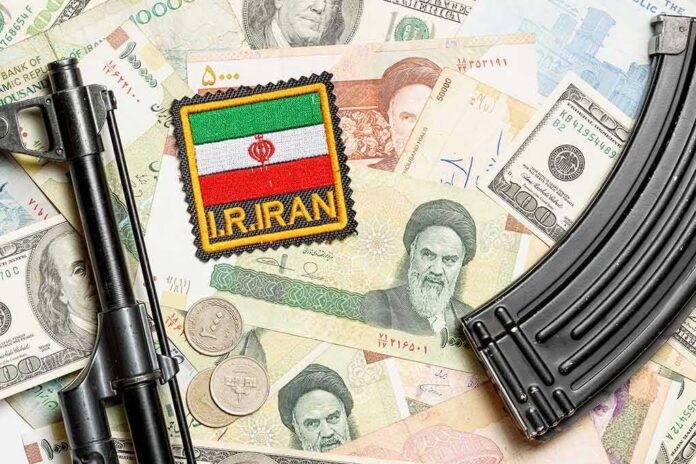
Treasury Secretary Scott Bessent argued that Iran’s economy is in “dire straits,” pointing to a collapsing currency, long gas lines, and shrinking oil revenues. He called the pressure effort the greatest economic isolation campaign yet. He also previewed further steps against banks and transport networks that move Iranian oil and money. This matters because oil brings in Iran’s hard currency. If exports stall, cash runs short, trade slows, and daily life gets tougher fast.
In recent days, Bessent tied Iran’s timeline to physical oil flows. He said Iran has only a limited volume left in transit and warned it could soon have “nothing to exchange.” He linked that warning to the U.S. naval blockade and tighter financial sanctions that aim to shut every door Iran uses to sell crude or get paid. These are testable claims: if tankers stop moving and payments fail, trade dries up, and the squeeze deepens.
What the Shipping and Price Data Show
Independent tracking backs up major parts of the squeeze. Reuters reported Iranian crude loadings around 260,000 barrels per day, down from about 1.7 million a year earlier, as shipping routes narrowed and costs rose. Another Reuters report said Iran went weeks without meaningful crude exports through the Strait of Hormuz under the U.S. blockade, a first on record. Fewer sailings mean less foreign currency. That weakens the rial and raises prices at home.
Shipping data also show workarounds and limits. Some crude shifts to storage on tankers. Small volumes move by truck, rail, or small boats, but those routes are slow and costly. Analysts say Iran can handle a full export halt for only a short window before storage fills and output must be cut. Cuts lower income further. That is why oil flow charts, tanker positions, and port activity now drive the debate more than speeches do.
Pushback: Resilience, Plans, and Caution on the ‘Collapse Clock’
Iran’s leaders reject the idea of an imminent collapse. Officials say they have a two-year plan, will reform at home, and will push through sanctions with new trade ties and less use of the dollar. Outside experts also urge caution. A Control Risks analyst said pressure is severe but will not break Iran’s resolve. A former Israeli intelligence officer said the economy is in serious trouble but not collapsing now. These views reflect Iran’s long record of adaptation.
IRAN DROWNING ?
Recent articles from September 27–28, 2026, center on comments by U.S. Treasury Secretary Scott Bessent in a Fox News interview. He stated that Iran’s remaining exportable oil at sea would run out in about two weeks, after which Tehran would have “nothing left… pic.twitter.com/HrnV5cSh5r
— SoCalPatriot56 (@SoCalPatriot56) September 28, 2026
Both things can be true at once. The data show the harshest squeeze in years on Iran’s oil and cash. The record also shows Iran often finds new channels to buy time. That is why a precise “two-week” collapse clock is hard to prove today. Still, the blockade, sanctions on banks, and airline threats are sharper tools than in past cycles. If they keep closing doors faster than Iran opens new ones, daily strain for ordinary Iranians will get worse.
Why This Resonates at Home
Americans on the right and left see a familiar pattern. Powerful players pick economic winners and losers, while regular people pay. A blockade that pins down Iranian oil can push global prices and raise costs for U.S. families and small firms. Washington says the squeeze defends U.S. interests. But voters remember past promises on sanctions and wars that did not deliver clear wins. They will judge this effort by results they can feel: safer streets, stable prices, and fewer forever crises.
Sources:
reuters.com, aa.com.tr, nytimes.com, iranintl.com, israelnationalnews.com, aljazeera.com, theguardian.com, atlanticcouncil.org
© bingeworthynews.com 2026. All rights reserved.