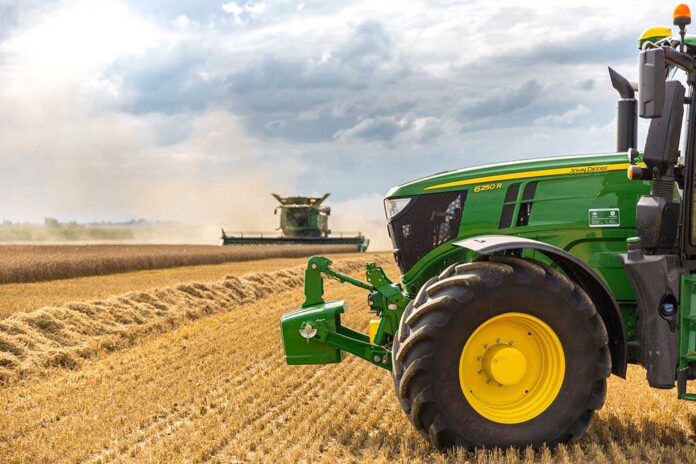
A troubling pattern of extreme weather threatens to cripple UK agriculture, raising alarm bells for food security.
Story Highlights
- UK faces its second-worst harvest on record in 2025.
- Extreme weather events, including droughts and heatwaves, devastate crops.
- Hay production drops 60%, threatening livestock feed supply.
- Farmers call for urgent government and business support for climate adaptation.
Weather Patterns Devastate UK Agriculture
The UK agricultural sector has been struck by a ‘perfect storm’ of climatic challenges leading to its second-worst harvest on record in 2025. Unprecedented drought in the spring followed by a scorching summer has severely impacted crop yields, particularly hay, a crucial resource for livestock farming. This crisis underscores the mounting threat of climate change-induced weather anomalies that have become alarmingly frequent.
Farmers have issued grave warnings as the hay production, integral to the livestock industry, saw a 60% decline. This shortfall has resulted in soaring hay prices, placing additional financial burdens on farmers already grappling with reduced yields. The cascading effects extend beyond agriculture, threatening rural economies and prompting concerns over food security.
Economic and Social Fallout
The economic impact of the agricultural downturn is profound. Farmers face diminished incomes and rising costs, leading to workforce reductions and halted investments. As farms scale back operations, the local rural communities bear the brunt, with declining employment opportunities and eroded economic stability. These conditions contribute to a wider social anxiety over food availability and rising prices for consumers.
This situation highlights the critical need for strategic government intervention. Policy analysts stress the urgency of supporting farmers through adaptive measures to build resilience against future climatic extremes. These strategies include investing in climate-friendly farming practices and enhancing soil health to safeguard the agricultural sector’s future.
Long-Term Concerns and Adaptation Strategies
Long-term implications of the current crisis extend beyond immediate economic pressures. The shift in traditional farming viability raises questions about the sustainability of pastoral agriculture in the UK. Increased reliance on imports to satisfy livestock feed needs exposes the nation to global market fluctuations and trade uncertainties, further complicating food security.
To mitigate future risks, experts advocate for comprehensive adaptation strategies. These include developing drought-resistant crop varieties, implementing advanced water management systems, and fostering more resilient agricultural models. The emphasis is clear: without significant adaptation efforts, the sector may face irreversible changes, exacerbating vulnerabilities and prompting potential climate migration.
Sources:
Farmers issue warning as troubling phenomenon threatens major crops: ‘Even worse than was expected’
UK Farmers face economic risk due to climate impacts
Specialty crops face mounting cost pressures and limited risk protection
Insurance challenges in the agricultural sector