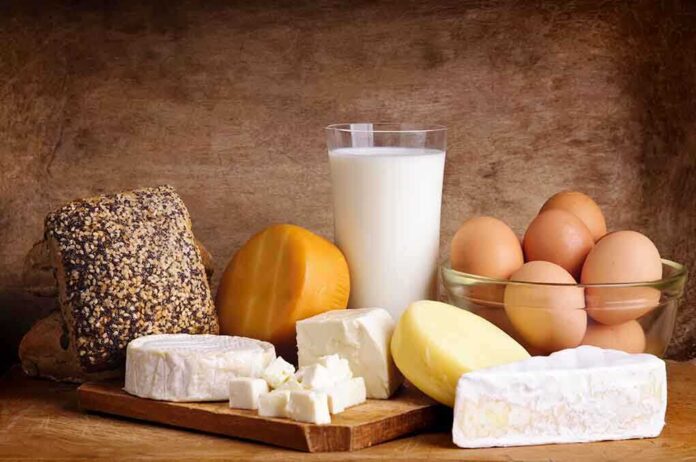
Four simple ingredients you already have in your kitchen can quietly transform your breakfast into a muscle-building, hunger-crushing powerhouse—no powders, no potions, just real food.
Story Snapshot
- Eggs, dairy, tofu, and nuts deliver 10+ grams of protein each at breakfast without supplements.
- Whole-food protein breakfasts are now mainstream, backed by dietitians and decades of research.
- Recipes are flexible for vegetarians, gluten-free eaters, and anyone avoiding processed powders.
- Shifting to whole food protein at breakfast may improve satiety, weight management, and healthy aging.
The Breakfast Protein Revolution: Why It’s Happening Now
Western breakfasts have long been a carbohydrate festival—cereal, toast, maybe a splash of milk. The last ten years, though, have seen a seismic shift. Research linking higher protein at breakfast to better satiety, weight control, and muscle preservation has changed morning routines, especially for adults over forty. Consumers lost trust in protein powders, wary of additives and artificial flavors, and started searching for genuine alternatives. The result? A surge in whole-food, high-protein breakfast recipes, now championed across food blogs, nutrition clinics, and even your local diner menu.
Eggs and Greek yogurt, once plain staples, now headline breakfast bowls and pancakes. Tofu, once relegated to the side-lines, is showing up in scrambles and breakfast burritos. Nuts and seeds are no longer just toppings—they’re essential to breakfast’s main event. The shift is as much about taste and health as it is about trust: people want to know exactly what they’re eating, and they want it to work for their bodies and their values.
Four No-Powder Strategies for 10-Gram Protein Mornings
Eggs remain the gold standard according to registered dietitians. Two large eggs pack about 12 grams of protein, and when you add cheese or serve them on whole grain toast, you’re well over the 10-gram goal. Scrambles, omelettes, and eggs on toast are now foundational breakfast recipes for anyone targeting real-food protein. Dairy, especially Greek yogurt and cottage cheese, is another heavy hitter. One cup of Greek yogurt or cottage cheese delivers 10–15 grams of protein on its own. Add fruit, nuts, or a drizzle of honey, and you have a breakfast that’s both filling and satisfying.
Plant-based eaters don’t have to miss out. Tofu scrambles have become a fixture on breakfast tables, with half a block of firm tofu delivering 10 grams of protein. Lentil and bean-based breakfast bowls are also gaining ground, offering fiber and iron alongside protein. Even simple recipes—such as a bean burrito or a lentil stew—can meet the 10-gram mark, making them smart choices for vegetarians and flexitarians alike.
Why This Matters for Health, Satiety, and Aging
Dietary experts consistently emphasize that consuming 10 grams or more of protein at breakfast helps regulate appetite and reduces the urge to snack on sweets later in the day. This benefit is particularly pronounced in adults over forty, who experience natural declines in muscle mass and metabolic rate. By prioritizing whole-food protein sources in the morning, people can support muscle maintenance and avoid unnecessary processed supplements. The long-term payoff may include better weight management, lower risk of age-related muscle loss, and improved metabolic health.
Consumer demand for whole-food protein has also changed what supermarkets stock. Greek yogurt, tofu, nuts, and high-protein dairy options are more widely available than ever. Food manufacturers have responded by developing new products and marketing strategies that highlight natural protein sources. This feedback loop—driven by bloggers, dietitians, and shoppers—keeps the protein breakfast movement gaining momentum.
Expert Consensus and the Future of Breakfast
Professional dietitians and academic researchers agree: while protein powders can be convenient, they often come with unnecessary additives and lack the micronutrients found in whole foods. The consensus from top sources is that eggs, dairy, legumes, nuts, and seeds are the optimal breakfast choices for hitting protein targets without compromise. The emphasis on real food isn’t just a passing trend—it’s a return to common sense nutrition that prioritizes health, taste, and transparency.
The breakfast table is changing, and American consumers are leading the charge. Simple, quick recipes using familiar ingredients now put high-protein mornings within easy reach for anyone—no powders required. Whether you’re seeking to control your weight, preserve muscle, or just stay full until lunch, the evidence is clear: whole-food protein at breakfast is the smart, satisfying way forward.
Sources:
HurryTheFoodUp: High Protein Breakfasts Without Protein Powder
BBC Good Food: High-Protein Breakfast Recipes