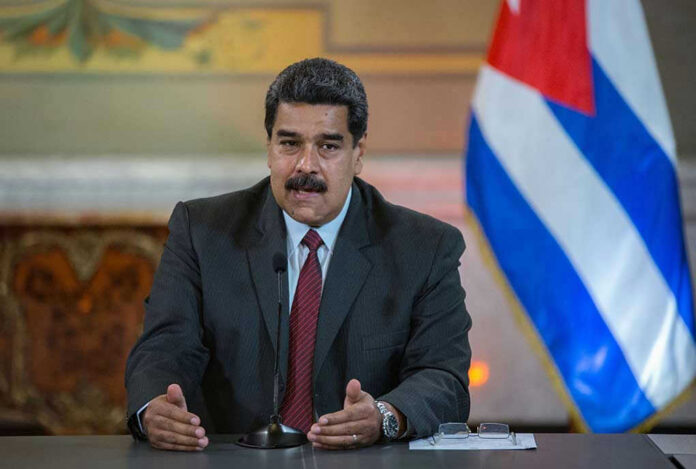
Fidel Castro’s own grandson is now telling U.S. viewers that Cuba wants capitalism—an admission that undercuts the regime’s propaganda and drops a new policy dilemma onto President Trump’s desk.
Story Snapshot
- Sandro Castro, Fidel Castro’s grandson, said in a rare U.S. interview that “most Cubans want capitalism over communism.”
- Castro also said he would be open to striking a deal with President Donald Trump, but there is no confirmed U.S. response or negotiation.
- Cuba’s worsening humanitarian and energy crisis is unfolding alongside reports that the island is preparing to receive a Russian oil shipment after months.
- The interview highlights a symbolic fracture inside the Castro legacy, but Sandro Castro does not hold formal governing power in Havana.
A Castro Descendant Breaks With the Revolution’s Sales Pitch
Sandro Castro’s comments landed with force because they came from inside the Castro family name that defined Cuba’s communist rule. In a CBS News Miami interview, he described himself as a capitalist and argued that the majority of Cubans want capitalism rather than communism. The report framed his appearance as rare and timed to Cuba’s deepening shortages and blackouts. The segment did not show any response from Cuba’s government.
The limited, verifiable takeaway is what he said and where he said it: on American television, aimed at an audience that includes Cuban-Americans in Florida and U.S. policymakers watching the island’s collapse. What remains unclear is what influence, if any, Sandro Castro has with Miguel Díaz-Canel’s government or Cuba’s security services. The source material does not describe him as a government official or decision-maker.
Cuba’s Energy Emergency and Russia’s Lifeline
The interview aired as Cuba faced acute energy strain, with chronic shortages and blackouts contributing to broader humanitarian stress. CBS News Miami tied the moment to reports that Cuba was preparing to receive its first Russian oil shipment in months, a reminder that the regime still leans on foreign patrons when the system fails to provide basics. The reporting did not quantify the shipment’s size or confirm it as a long-term fix.
For Americans, especially those burned out on global entanglements and high energy costs, Cuba’s reliance on Russian oil is not an abstract story. It is a geopolitical picture where Moscow gains leverage close to U.S. shores while ordinary Cubans remain stuck in a system that cannot reliably power homes and businesses. The available research does not provide independent confirmation beyond the CBS framing, so conclusions about scale and duration should stay cautious.
What a “Deal With Trump” Could Mean—and What It Doesn’t
Sandro Castro’s willingness to “strike a deal” with President Trump creates headlines, but the source information stops short of describing any channel, proposal, or authorized negotiation. The Trump administration’s Cuba policy has historically mixed pressure and leverage, and any real agreement would require terms, enforcement, and measurable concessions—especially on political prisoners, free speech, and property rights. None of those specifics appear in the cited report.
This is where constitutional-minded conservatives tend to focus: U.S. foreign policy should be transparent, lawful, and tied to clear national interests, not vague sentiment or celebrity interviews. A TV appearance by a Castro descendant is not a binding diplomatic opening, and it is not evidence that Havana is prepared to abandon one-party control. The research also provides no indication that the Cuban regime invited, endorsed, or even tolerated his message.
Why This Story Resonates With a War-Weary, Skeptical Right
Many Trump-supporting voters who want secure borders and lower prices have also grown tired of open-ended foreign commitments that never seem to end, especially after decades of “regime change” thinking. Cuba is not Iran, but the lesson is familiar: Americans can sympathize with suffering populations while still insisting that U.S. action be limited, accountable, and anchored to achievable outcomes. The CBS interview raises questions without providing enough detail to answer them.
The most solid conclusion supported by the research is narrow but important: even within the Castro family orbit, the socialist narrative is being challenged in plain language—capitalism versus communism—while Cuba scrambles for Russian energy relief. If the Trump administration chooses to engage, voters will likely demand clarity on objectives, costs, and whether any steps genuinely advance liberty for Cubans rather than propping up the same ruling structure under a new label.
Sources:
Fidel Castro’s Grandson Speaks Out Amid Cuba Crisis