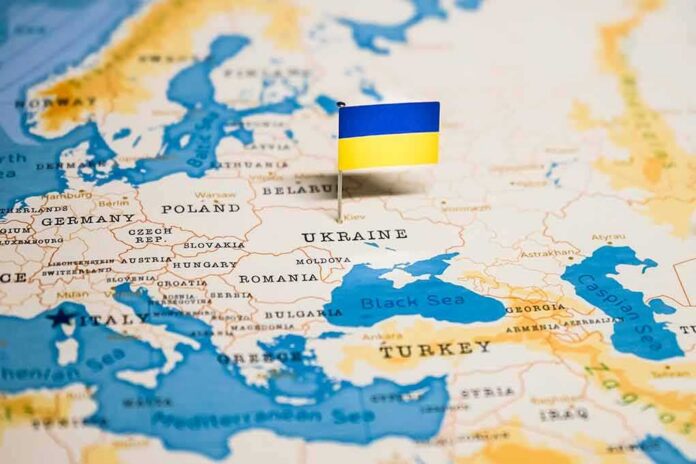
NATO said it will send added surveillance and forensic support to the Black Sea after drone strikes damaged ships near Bulgaria and Romania, signaling rising risks to trade and coastal communities.
Story Snapshot
- NATO announced new assets for surveillance, reconnaissance, and forensics in the Black Sea.
- Bulgaria asked NATO for aerial surveillance, air patrols, and counter-drone systems after ship strikes.
- Recent drone attacks hit commercial vessels near Bulgaria and Romania, prompting rescues and evacuations.
- NATO leaders pledged close work with Black Sea allies as details of deployments are finalized.
NATO Moves to Bolster Monitoring After Black Sea Strikes
NATO spokeswoman Allison Hart said the alliance will send “additional assets” to the Black Sea, including support for surveillance, reconnaissance, and forensics, after drone strikes hit ships near Bulgaria and Romania. The statement followed a meeting of alliance ambassadors in Brussels. The move aims to improve visibility over crowded waters where military and commercial traffic overlap. NATO framed the step as defensive and focused on monitoring, not combat operations, while allies coordinate the specifics of support.
The announcement came after several reported drone incidents near Bulgarian and Romanian waters. One Malta-flagged vessel was struck and its 15 crew members were evacuated, according to reporting on the rescue response. Another ship sank, with search efforts launched off Bulgaria’s coast. These events raised concerns for sailors, insurers, and regional ports. Maritime routes through the Black Sea carry fuel, grain, and other goods. Disruptions there can ripple into higher prices and supply delays far beyond the coast.
Bulgaria’s Request and the Capabilities Sought
Bulgaria’s defense minister, Dimitar Stoyanov, said Sofia requested help from NATO leaders to strengthen national defenses. Bulgaria asked for aerial surveillance, air patrols, and counter-drone and air-defense systems, tying the request to the maritime strikes near its coast. Officials said details on which allies would contribute, what assets would arrive, and when they would deploy were still being worked out. The request underscored how smaller allies rely on shared warning and layered protection in crowded air and sea lanes.
NATO Secretary General Mark Rutte affirmed that the alliance will continue working closely with Black Sea allies after Bulgaria’s emergency response actions. That message aimed to reassure Bulgaria, Romania, and Turkey as they coordinate patrols and share data. Since Russia’s 2014 annexation of Crimea and the broader war that began in 2022, NATO has expanded air monitoring missions and information sharing. Those efforts are meant to spot threats sooner and reduce the odds of miscalculation in a tense region.
Attribution Unclear, but Monitoring Steps Fit a Pattern
Bulgarian leaders said they did not have clear and conclusive evidence to assign blame for the strikes. That uncertainty is common in the Black Sea, where many actors operate and drones can be hard to trace. In such cases, allies often expand surveillance and forensics to gather facts while limiting military risks. That is what NATO signaled here: more eyes, more data, and better evidence handling to guide later decisions and potential accountability.
𝗡𝗔𝗧𝗢 𝗥𝗘𝗩𝗜𝗦𝗘𝗦 𝗪𝗔𝗥 𝗣𝗟𝗔𝗡𝗦 𝗔𝗚𝗔𝗜𝗡𝗦𝗧 𝗥𝗨𝗦𝗦𝗜𝗔 𝗔𝗠𝗜𝗗 𝗣𝗢𝗦𝗦𝗜𝗕𝗟𝗘 𝗨𝗦 𝗠𝗜𝗟𝗜𝗧𝗔𝗥𝗬 𝗗𝗥𝗔𝗪𝗗𝗢𝗪𝗡 𝗜𝗡 𝗘𝗨𝗥𝗢𝗣𝗘 — 𝗣𝗢𝗟𝗜𝗧𝗜𝗖𝗢 🇷🇺
The Pentagon has already removed some aircraft, drones, submarines and ships from the forces available… pic.twitter.com/K5kCpn1vPz
— Elisabeth Eliseeva 🇷🇺 SPUTNIK (@Eliseevanews) October 19, 2026
For readers at home, the stakes are simple and real. Ship attacks can raise shipping costs, which can lift prices on goods. Strong, targeted monitoring can help prevent broader escalation while protecting trade lanes. Some will argue for tougher action. Others will warn against mission creep. NATO’s current step focuses on awareness and proof, not firepower, which reflects a careful approach while allies and investigators work to understand who is striking civilian vessels and how.
Sources:
bgnes.com, nampa.org, fakti.bg, cepa.org, cbc.ca, worldpoliticsreview.com
© bingeworthynews.com 2026. All rights reserved.