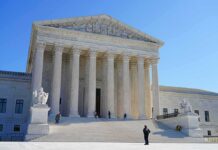
One day after announcing a ban, the White House blocked MS NOW reporters from entering the grounds, putting presidential power on a direct collision course with press freedom.
Story Snapshot
- President Trump said he would ban MS NOW, CNN, and Politico from the White House for “fake news”.
- MS NOW said its journalists were denied entry to the White House the next morning.
- Press groups warned the move targets coverage, not conduct, raising First Amendment alarms.
- Prior court fights show limited discretion in tight spaces, but not viewpoint-based bans.
What Happened and When
On Friday, President Trump posted that he was banning MS NOW, CNN, and Politico from the White House, citing “constant ‘reporting’ FAKE NEWS!”. On Saturday morning, MS NOW said its journalists were denied access to the White House grounds. That sequence shows the threat moved from words to action within about 24 hours. Some outlets reported reporters were still on site shortly after the post, which hints at uneven rollout on day one.
MS NOW said it would take any steps needed to defend its First Amendment rights after the denial. The White House Correspondents’ Association said the Constitution protects press freedom regardless of whether the president likes an outlet’s reporting. Those statements frame the dispute as a classic clash between government control of space and viewpoint neutrality. The public record so far does not show a formal written rule violation tied to MS NOW’s conduct.
How Access Works and Why It Matters
White House entry depends on physical press credentials and Secret Service screening. If passes are revoked or flagged, reporters cannot enter the grounds. That makes any ban very real at the gate. Modern White Houses do manage space and security, and courts have allowed more flexibility in very small areas like the Oval Office or Air Force One pools. But once general press facilities exist, courts have warned against arbitrary or viewpoint-based exclusions.
In 2025, the Associated Press sued after the administration restricted access tied to coverage choices, including the “Gulf of America” naming dispute. A federal judge said the restriction ran contrary to the First Amendment, though an appeals panel later granted the White House more discretion in tight spaces while the case continues. That mixed record suggests limits: space control is one thing; punishing coverage is another. Saturday’s denial will likely be judged against those lines.
What Is Known, What Is Missing
The record confirms three core facts. Trump announced a ban naming MS NOW, CNN, and Politico and cited “fake news” as the reason. MS NOW reporters were denied entry to the grounds the next morning. Major press groups and outlets called the move a threat to press freedom and viewpoint-based retaliation. What is missing is a formal notice explaining the specific rule used to block MS NOW, or any written due process steps.
The gap matters because legal standards often require clear reasons, notice, and a chance to respond before pulling access for credentialed media in general press spaces. Reports also note that some named outlets were still present shortly after the announcement, which underscores confusion between a declared ban and full enforcement. That ambiguity can raise the legal and political costs if courts see punishment tied mostly to an outlet’s viewpoint rather than security needs.
Why This Resonates Beyond Partisanship
Americans across the spectrum are wary of powerful insiders using rules to protect themselves. Conservatives see a press that often sneers at them. Liberals see a government willing to silence critics. Both worry the system favors the well connected. A ban grounded in “fake news” language, without a clear rule breach, taps that fear that those in charge bend the process to dodge hard questions. That is why due process and viewpoint neutrality matter here.
What To Watch Next
Watch for three things. First, legal action from MS NOW that seeks fast relief and a paper trail. Second, a formal White House explanation that cites a written policy, a decision maker, and a date, or else a continued reliance on broad discretion. Third, whether access limits spread to other outlets or expand from the grounds to small-space pools. Each step will test the line between managing space and punishing speech, with courts and the public keeping score.
Sources:
mediaite.com, usnews.com, apnews.com, bbc.com, nypost.com, axios.com, ap.org, nbcnews.com, nytimes.com
© bingeworthynews.com 2026. All rights reserved.